Structural Drying and Dehumidification in Escondido, CA
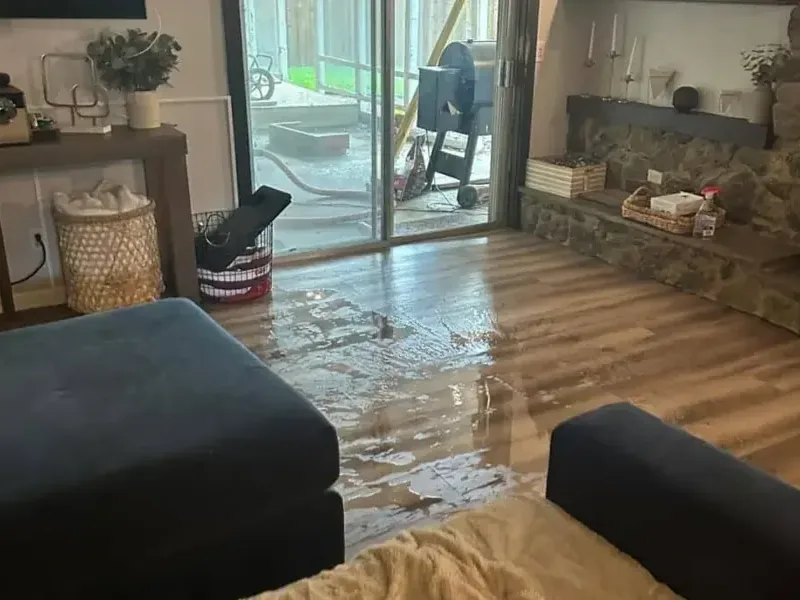
Once the standing water is gone, the walls, floors and framing still hold moisture. In Escondido, the crew sets air movers and dehumidifiers by room and material, then takes readings daily until everything tests dry.
(888) 450-9281Wet walls or floors? Call to dry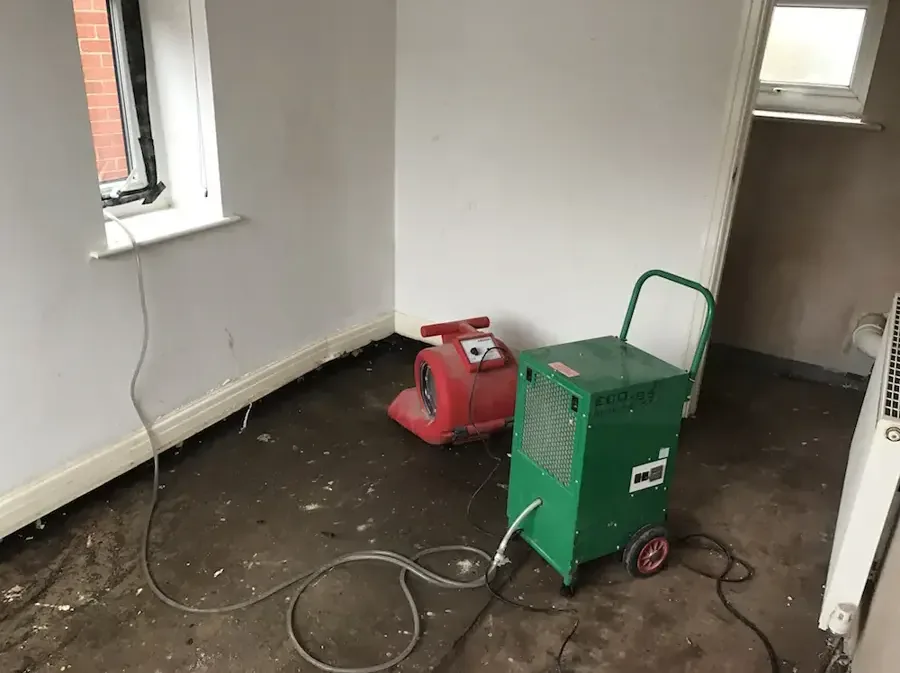
What to do right now about structural drying and dehumidification
- No. 1Keep the equipment on. Leave air movers and dehumidifiers running as set. Turning them off pauses the drying.
- No. 2Close doors and windows. Keep the drying area sealed so the dehumidifiers pull from damp air, not outdoor air.
- No. 3Watch the readings. Ask for the daily numbers and note when they level off.
- No. 4Hold off on repairs. Wait to paint, replace flooring or close walls until the crew confirms a dry finish.
How structural drying and dehumidification is handled in Escondido, CA
- 1
Classify the loss
The crew identifies the water category and class, which set the equipment plan.
- 2
Place the equipment
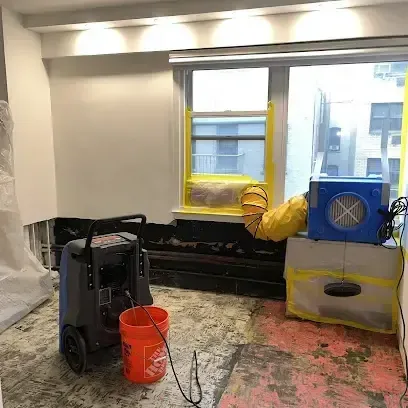
Air movers, dehumidifiers and drying ports go in room by room.
- 3
Read and adjust
Daily moisture, temperature and humidity readings decide each equipment change.
- 4
Confirm the finish
Equipment leaves only when the wet materials read like the dry reference.
What does structural drying and dehumidification cost in Escondido, CA?
Drying one or two rooms commonly costs $1,200 to $2,500. Several rooms with cavity drying run $2,500 to $5,500, and a Class 4 job or a whole house can reach $10,000 or more with desiccant equipment.
One or two rooms
- Air movers and an LGR
- Moisture mapping
- Several days of logs
Several rooms
- Wall cavity drying
- More LGR units
- Daily humidity logs
Class 4 or whole house
- Desiccant dehumidifiers
- Dense hardwood drying
- Extended monitoring
Ranges are typical, not a quote. The water category, the square footage, the material class and how fast drying started move the number most; the water damage cost calculator gives a closer planning range.
Structural drying is the stage that decides whether a wet house gets better or quietly gets worse. In Escondido, where the wet months run from November through March, it follows extraction on most water jobs.
How the equipment is chosen
The class of the water loss sets the plan, since a patch of wet carpet needs far less than wet framing behind several rooms. The crew counts air movers by the square footage of wet surface and sizes the dehumidifiers to the air volume. LGR units handle most homes, and desiccants step in for dense or very wet materials. Rooms are sealed off where possible, so the dehumidifiers work on the wet area rather than the whole house.
- Air movers push dry air across wet floors and walls
- LGR dehumidifiers pull moisture out of the room air
- Small drying ports reach wet framing behind drywall
- Desiccant units handle Class 4 materials such as dense hardwood and stone
Daily readings and the dry reference
Each visit records temperature, humidity and moisture content, which together show how fast the structure is drying. The goal is a dry reference reading taken from an unaffected area of the same material. When the wet readings match it, the equipment comes out. That record ties back to water extraction at the front end.
When drying runs long
Hardwood, plaster and framing release water slowly, and a humid week can stretch the job. Extra days are tracked in the log rather than guessed at, and opening a wall to check a stubborn cavity is a normal step, not a sign of failure. Sewage and flood jobs add disinfecting first, then follow the plan in storm flood cleanup.
Structural Drying and Dehumidification questions
How long does structural drying take?
Many jobs need about three to five days, though dense materials and heavy losses run longer. The daily readings decide when it ends, not a calendar.
Why are the dehumidifiers so loud?
They move a lot of air and run constantly. The noise is a sign they are pulling moisture, and the crew can place them to keep bedrooms quieter.
Can the equipment be turned off at night?
It should not be. Stopping it lets damp materials hold their moisture, which extends the drying and can lead to odor.
How do I know the house is dry?
The crew compares each wet material with a dry reference from the same house and records the result. When they match, the job is finished.
Can I stay home during drying?
Usually, though the noise and warmth take getting used to. Most people sleep in an unaffected room while the equipment runs.
Does drying raise the electric bill?
Yes, fans and dehumidifiers draw power, and insurers sometimes account for that. Ask the adjuster whether the claim covers it.
Structural drying and dehumidification across Escondido and nearby
Structural drying covers ZIP 92025, 92026, 92027 and 92029, from Midway and East Valley to Felicita, Kit Carson, Mission Park, Vineyard, Harmony Grove and the blocks around Grape Day Park.
The same service nearby: structural drying and dehumidification in Poway, Encinitas.
Dry the structure, not just the surface
Damp framing and flooring keep hurting a house after the puddles are gone. The crew sets the equipment, reads it daily and proves the finish.
(888) 450-9281Escondido drying helpPoway Water Damage Restoration
San Diego County, California
Open 24 hours, holidays included
Find us on Google