Storm Runoff and Flash Flood Cleanup in Poway, CA
Runoff that comes in under a door or through a slider is contaminated from the start. The flood cleanup crew pumps it out, removes soaked materials, treats every surface it touched and dries the house to the IICRC S500 standard, 24/7.
(888) 450-9281Storm water came inside? Call now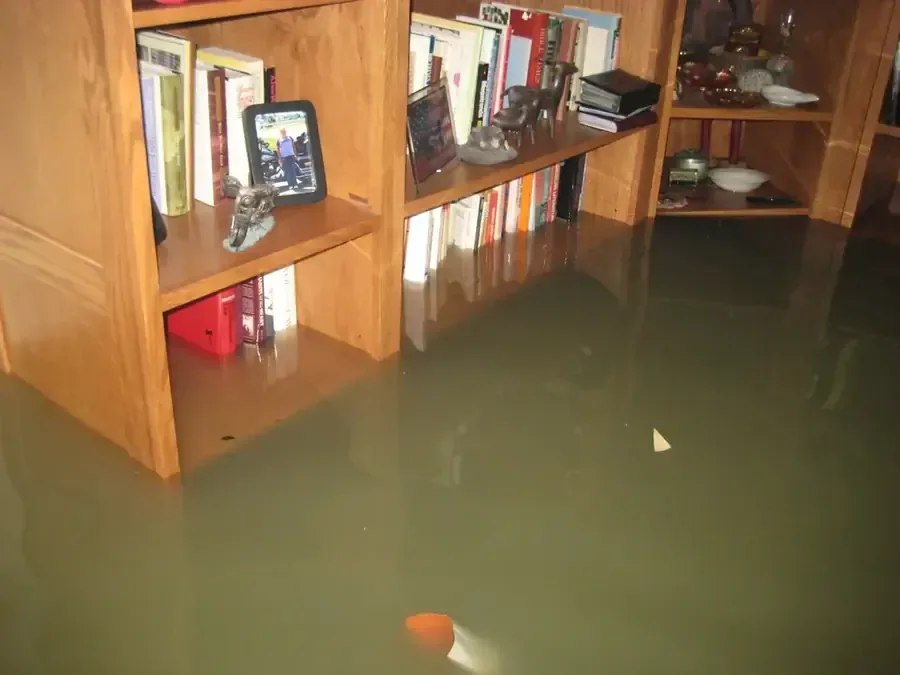
What to do right now about storm runoff and flash flood cleanup
- No. 1Get to safety first. Never walk or drive through moving water, and stay away from downed power cables.
- No. 2Cut the power safely. If water is near outlets or the panel, have the utility shut the power off rather than touching the breaker.
- No. 3Block what you can. Sandbags at thresholds and a cleared area drain can keep more water out.
- No. 4Photograph the high-water mark. Photos of the water level on walls and doors help the flood claim.
How storm runoff and flash flood cleanup is handled in Poway, CA
- 1
Pump and extract
Pumps and extractors remove the standing water, then the mud and silt are cleared out.
- 2
Strip what soaked up runoff
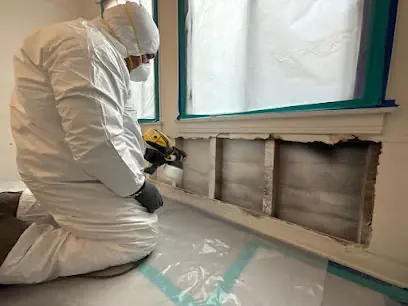
Carpet, pad, insulation and the bottom of the drywall come out wherever the water touched.
- 3
Clean and treat
Every affected surface is cleaned and treated with an EPA-registered antimicrobial.
- 4
Dry to the goal
Air movers and LGR dehumidifiers run until the structure reads dry.
What does storm runoff and flash flood cleanup cost in Poway, CA?
In Poway, storm runoff and flash flood cleanup typically runs $2,000 to $15,000 or more, depending on how high the water rose, how many rooms it reached, how much mud came with it and how much flooring and drywall must come out.
Water at one door or the garage
- Pumping and extraction
- Silt cleanup
- Antimicrobial treatment
Several rooms
- Carpet and pad removal
- Flood cuts
- Structural drying
Whole floor with mud
- Full Category 3 removal
- Cabinet and wall base work
- Extended drying
Ranges are typical, not a quote. The water category, the square footage, the material class and how fast drying started move the number most; the water damage cost calculator gives a closer planning range.
Rain is rare most of the year, then a few winter storms deliver most of it. When the ground is already wet, runoff off the hillsides and overflow from the creek channels can reach homes that never see standing water in summer.
How storm water gets into homes here
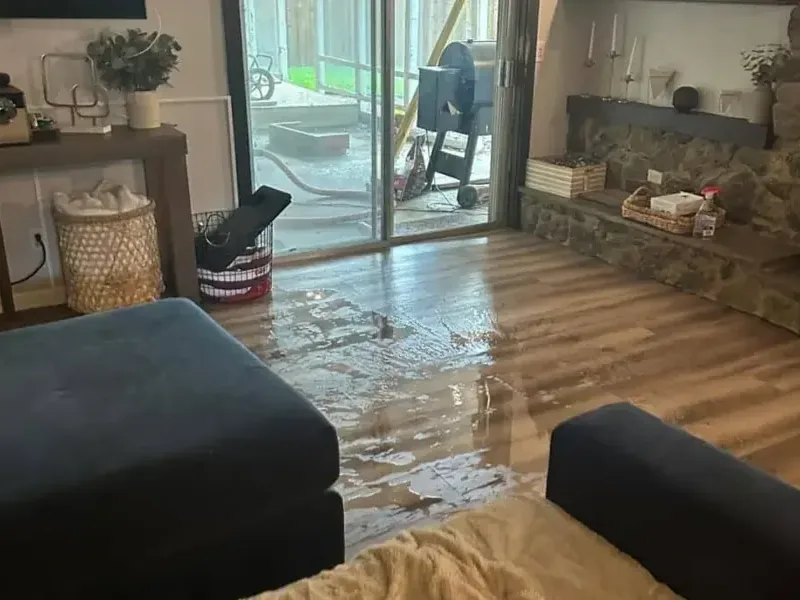
Decomposed granite slopes shed water quickly and carry silt with it. Water collects at the toe of a slope, against a block wall or in a patio that drains toward the house, then finds the lowest opening: a sliding door track, a garage door seal or the joint where the slab meets the wall. Homes near Poway Creek, Rattlesnake Creek and the canyon bottoms see the most water when the channels run high.
- Sliding door and garage door thresholds.
- Patios and planters that slope toward the house.
- Clogged area drains and swales.
- Weep screeds and the joint between slab and wall.
Why storm water is treated as Category 3
Runoff picks up soil, fertilizer, animal waste and whatever sits in the street, so it is handled like sewage: protective gear, removal of soaked porous materials such as carpet, pad and the bottom of the drywall, and cleaning with an EPA-registered antimicrobial before drying begins. Mud and silt are shoveled and washed out first, so the drying equipment is not just moving dirt around.
Drying out and the flood claim
Storm water that rises from outside is usually a flood insurance matter, not a homeowners claim. Rain that comes through a storm-damaged roof is often treated differently, and the roof leak water damage page covers that case. The winter runoff risk check scores how exposed a home is before next season.
The National Weather Service San Diego office posts flood watches for the county, and the FloodSmart site of the National Flood Insurance Program explains how flood coverage works.
Storm Runoff and Flash Flood Cleanup questions
Is storm water damage covered by homeowners insurance?
Water that rises from outside, such as runoff or creek overflow, is usually excluded from homeowners policies and covered only by flood insurance. Coverage depends on your policy, so check with your own insurer.
Why can't the carpet be dried and kept?
Storm runoff is Category 3 water, so carpet and pad it soaked are removed. Hard flooring such as tile can usually be cleaned and treated.
Does it really flood around here?
Most of the year is dry, but a few heavy winter storms can send runoff off the slopes and push the creeks over their banks. Low lots, canyon bottoms and homes below slopes see water first.
How can runoff be kept out next winter?
Clear area drains and swales before November, extend downspouts away from the slab, regrade soil that slopes toward the house and keep sandbags on hand for door thresholds.
What happens to the mud left behind?
Mud and silt are removed and washed out before drying starts, because drying equipment cannot dry wet mud trapped in carpet, wall cavities or under cabinets.
How long does a flood dry-out take?
After cleanup and removal, most storm losses dry in four to seven days. Wet concrete and long-soaked walls take longer, and equipment stays until readings reach the goal.
Storm runoff and flash flood cleanup across Poway and nearby
The restoration crew covers ZIP 92064 and 92074, from the older homes around Midland Road to Green Valley, Garden Road, Twin Peaks, Old Coach, High Valley and the homes up in Sycamore Canyon.
Nearby coverage reaches Rancho Bernardo, Rancho Peñasquitos, Sabre Springs, Carmel Mountain Ranch, Scripps Ranch, Ramona and Escondido.
More water damage services
Storm water came under the door? Call before it soaks in.
The flood cleanup crew pumps the water, removes what the runoff soaked, treats surfaces and dries to the IICRC S500 goal.
(888) 450-9281Get the flood cleanup rollingPoway Water Damage Restoration
San Diego County, California
Open 24 hours, holidays included
Find us on Google