Sewage and Septic Backup Cleanup in Poway, CA
Sewage is Category 3 water the moment it backs up. The cleanup crew contains the area, removes soaked porous materials, applies an EPA-registered antimicrobial and dries the structure to the IICRC S500 standard, 24/7.
(888) 450-9281Sewage in the house? Call now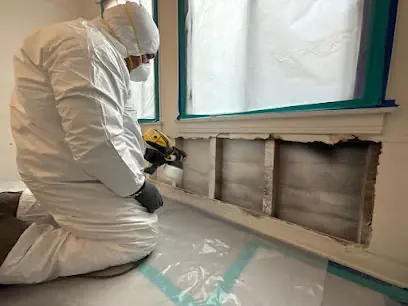
What to do right now about sewage and septic backup cleanup
- No. 1Stop using the drains. No flushing, showers, laundry or dishwasher until the blockage is cleared.
- No. 2Keep people out. Keep children, pets and anyone with a weak immune system away from the area.
- No. 3Shut off the HVAC. Turn off the heating or AC so it does not move contaminated air through the house.
- No. 4Photograph the source. Take photos of where the sewage came up and how far it spread.
How sewage and septic backup cleanup is handled in Poway, CA
- 1
Contain the area
Plastic sheeting and HEPA air scrubbers keep contaminated air out of the clean rooms.
- 2
Remove what it touched
Carpet, pad, drywall and insulation the sewage reached come out in sealed bags.
- 3
Clean and treat
Hard surfaces are cleaned and an EPA-registered antimicrobial is applied at its dwell time.
- 4
Dry and verify
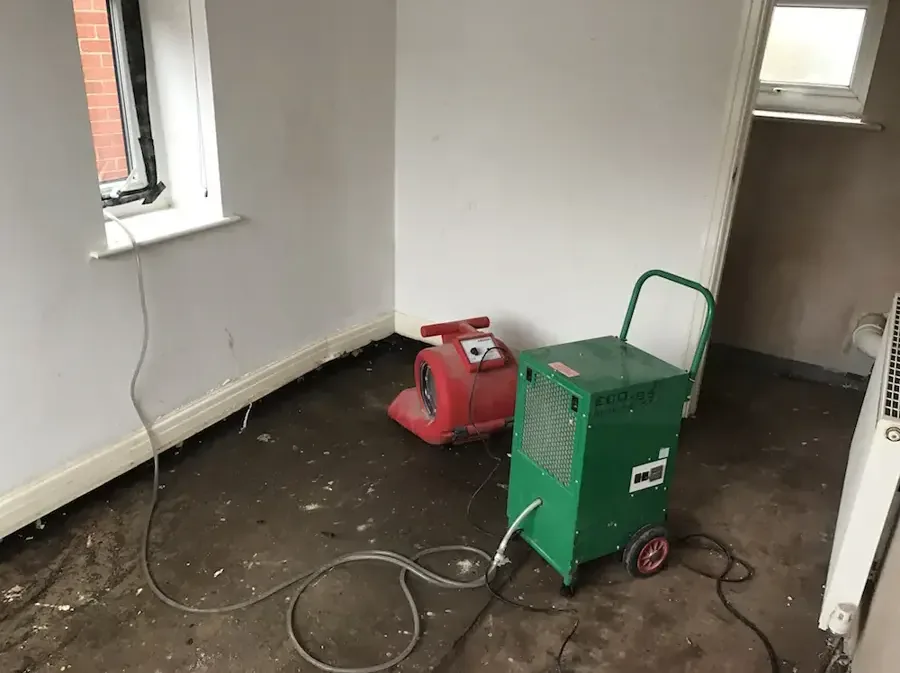
Air movers and dehumidifiers dry the structure until readings reach the goal.
What does sewage and septic backup cleanup cost in Poway, CA?
In Poway, sewage and septic backup cleanup typically runs $2,500 to $15,000 or more, depending on how far the sewage spread, how much flooring and drywall must come out, whether containment is needed and how long it sat.
One bathroom
- Containment
- Flooring and baseboard removal
- Antimicrobial treatment
Several rooms
- Flood cuts above the water mark
- HEPA air scrubbers
- Structural drying
Septic overflow or a whole floor
- Full Category 3 removal
- Cabinet and wall base work
- Extended drying
Ranges are typical, not a quote. The water category, the square footage, the material class and how fast drying started move the number most; the water damage cost calculator gives a closer planning range.
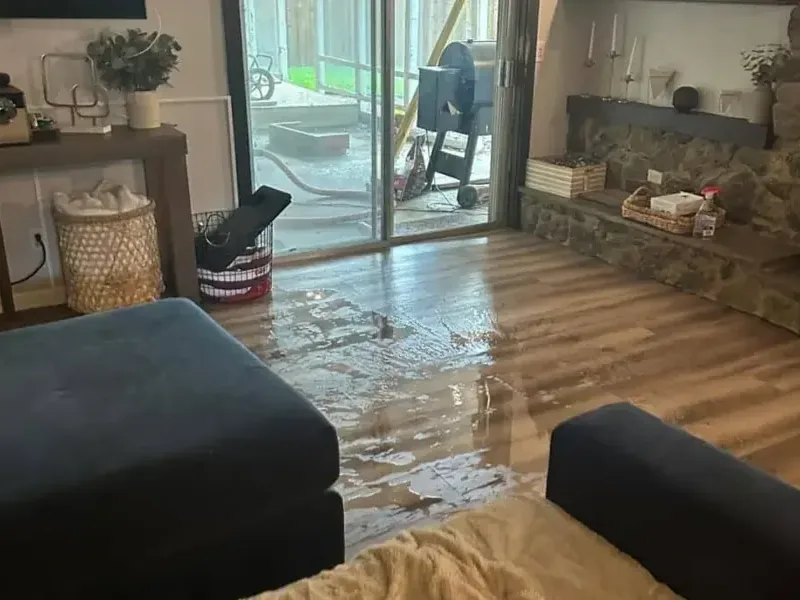
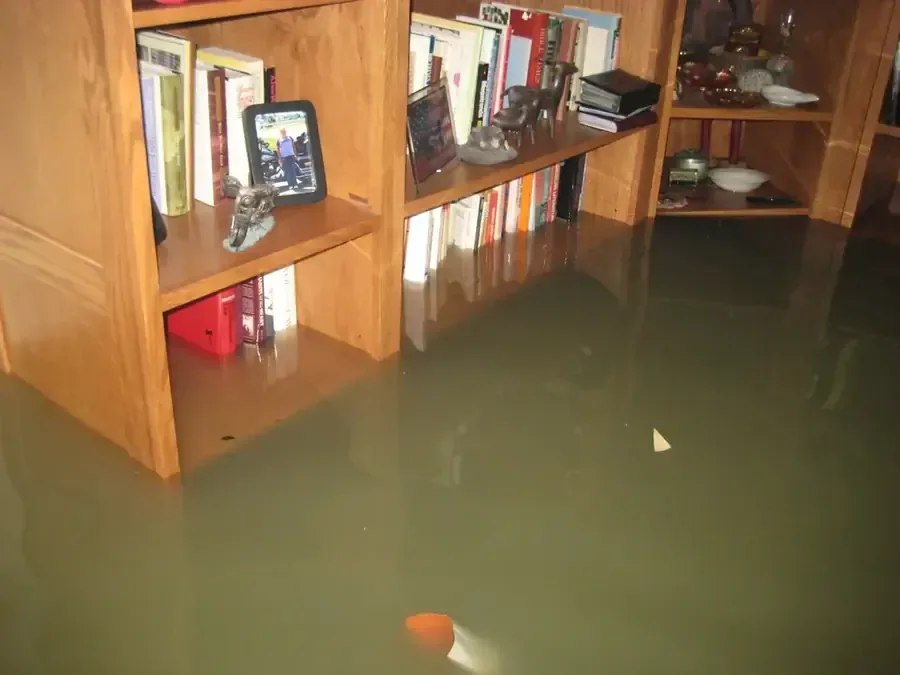
A sewage backup comes up through the lowest drain in the house: a shower, a tub, a floor drain or a toilet. In tract homes it usually starts in the sewer lateral; on rural lots it can start at the septic tank or the leach field. Either way, the water carries bacteria and viruses and is handled as Category 3 from the start.
Sewer laterals and septic systems here
Older laterals of clay or cast iron crack and let tree roots in, and grease and wipes finish the blockage. Some larger lots in the north and east of the city run on septic systems, where a full tank, a failed pump or a leach field saturated by winter rain can push sewage back into the house. The EPA septic systems pages explain how tanks and leach fields work and why they fail.
The Category 3 protocol
- Protective equipment at minimum: a respirator, gloves, eye protection and a disposable suit.
- Containment with plastic sheeting and negative air through HEPA air scrubbers.
- Removal of carpet, pad and drywall above the water mark wherever the sewage touched.
- Cleaning, then an EPA-registered antimicrobial applied at its label dwell time.
- Structural drying and daily readings, the same as any other loss.
Hard surfaces such as tile and concrete are cleaned and treated, not thrown out. The OSHA protective equipment page lists the gear that keeps workers safe around contaminated water.
Before the crew arrives
Stop using every drain in the house, keep children and pets away and do not run fans that move the air around. If sewage is rising from more than one drain or from the street cleanout, the blockage may sit in the public sewer main, so report it to the city as well. Once the area is clean, the drying follows the structural drying method; storm water that came in from outside is covered under storm runoff and flash flood cleanup.
Sewage and Septic Backup Cleanup questions
Can sewage-soaked carpet be cleaned?
No. Carpet and pad touched by sewage are removed and disposed of. Hard surfaces such as tile, concrete and sealed wood can be cleaned and treated.
Is it safe to stay in the house?
Stay out of the affected rooms and keep children, pets and anyone with a weak immune system away. If the backup is in the only bathroom or covers a large area, staying elsewhere until containment is up is often the safer choice.
What causes a septic backup?
A full tank, a failed pump or a leach field that cannot take more water, often after heavy winter rain, can push sewage back into the house. A septic pumping company handles the tank; the cleanup crew handles the house.
Who is responsible for the sewer lateral?
In most cities the homeowner is responsible for the private lateral from the house to the public sewer main. A plumber can run a camera through the lateral to find roots, cracks or a blockage.
Does homeowners insurance cover sewage backup?
Many policies cover sewer or septic backup only with a separate endorsement. Coverage depends on your policy, so check with your own insurer.
Why is the drywall cut so high?
Drywall wicks contaminated water above the visible mark, so the cut is made above it and no contaminated material stays in the wall.
Sewage and septic backup cleanup across Poway and nearby
The restoration crew covers ZIP 92064 and 92074, from the older homes around Midland Road to Green Valley, Garden Road, Twin Peaks, Old Coach, High Valley and the homes up in Sycamore Canyon.
Nearby coverage reaches Rancho Bernardo, Rancho Peñasquitos, Sabre Springs, Carmel Mountain Ranch, Scripps Ranch, Ramona and Escondido.
More water damage services
Sewage or septic overflow in the house? Call now.
The cleanup crew contains the area, removes what the sewage touched, treats surfaces and dries the structure to the IICRC S500 goal.
(888) 450-9281Get the sewage cleaned up safelyPoway Water Damage Restoration
San Diego County, California
Open 24 hours, holidays included
Find us on Google