Water Damage Restoration Escondido, CA
24/7 water damage restoration in Escondido, CA. The restoration crew pulls standing water, dries floors, walls and framing to the IICRC S500 standard and keeps the moisture records your insurer asks for.
(888) 450-9281Water spreading across the floor? Call 24/7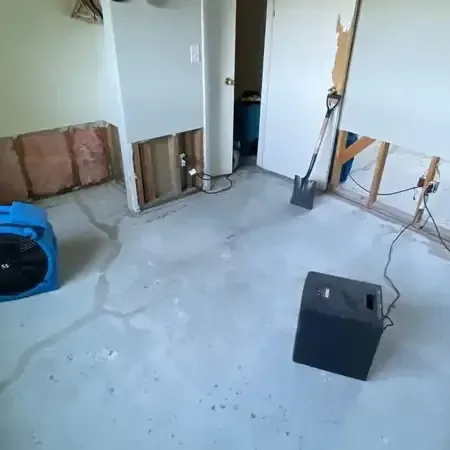
What to do before the extraction crew gets there
- No. 1Find the shutoff. Close the house shutoff valve or the valve at the leaking fixture. Water rising in the street or a sewer overflow goes to the city's Public Works department.
- No. 2Shut off wet circuits. Flip the breakers for wet rooms only when the panel and the floor in front of it are dry.
- No. 3Keep out of the water. Stay out of standing water near outlets, power strips and cords lying on the floor.
- No. 4Document before moving. Photograph each wet room, the source and anything damaged before cleanup changes the scene.
- No. 5Get things off the floor. Lift rugs, papers and electronics onto furniture or into a dry room, then call for extraction.
Water keeps wicking into drywall and cabinet bases for as long as it sits, and mold can start growing on wet materials within 24 to 48 hours, so the first day of drying matters most.
Water Damage Restoration Services in Escondido, CA
Single-family homes, apartments and mobile homes all make up the housing here, and the local water damage experts handle water and sewage losses in each, from extraction to the final reading.
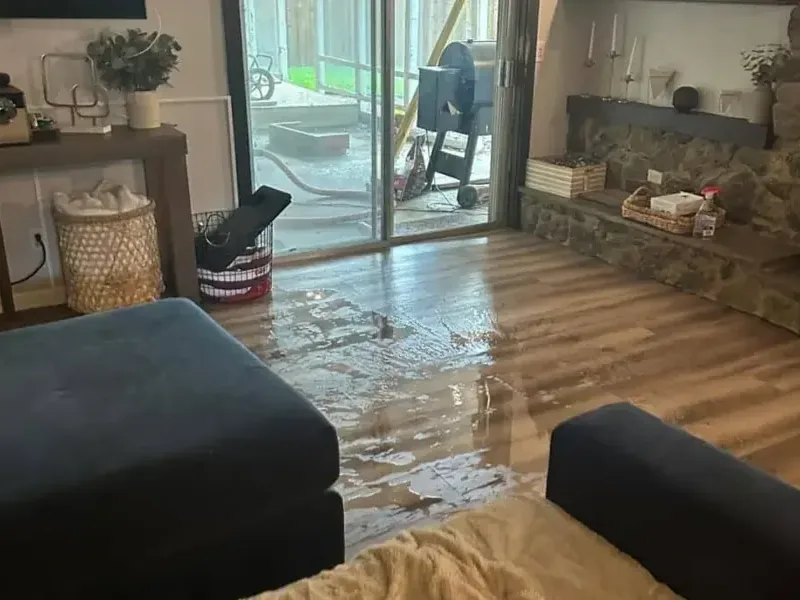 Emergency Water ExtractionStanding water pulled off floors and out of carpet with truck-mounted units before the drying setup goes in.See emergency water extraction
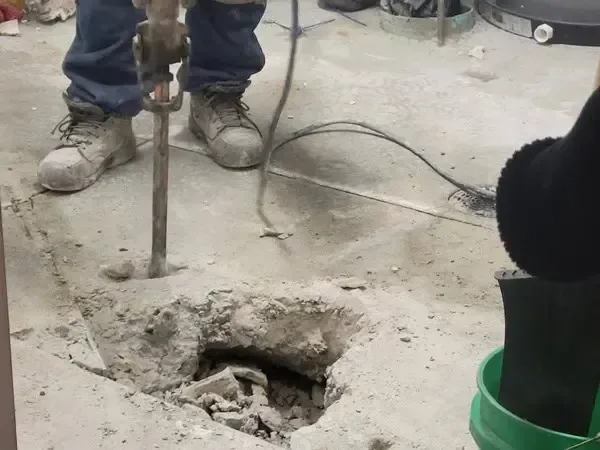 Slab Leak Water DamageLeaks in a supply pipe under a concrete floor, traced with meters and dried out of the slab and walls.See slab leak water damage
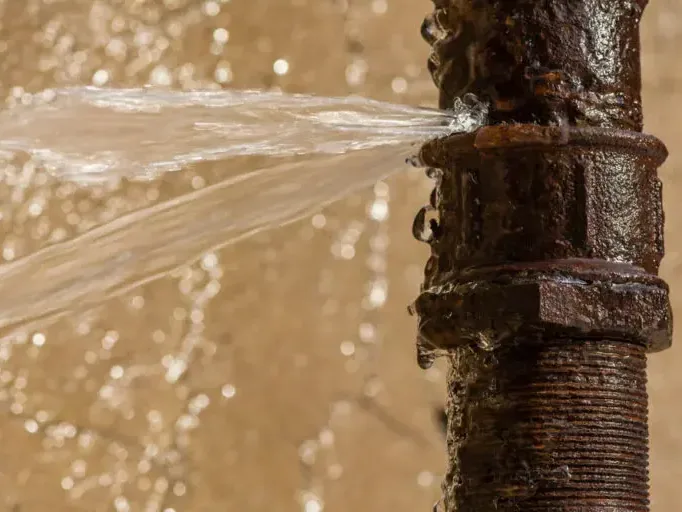 Burst Pipe and Pinhole Leak CleanupPrivate pipe failures inside walls and ceilings, extracted and dried one cavity at a time.See burst pipe and pinhole leak cleanup
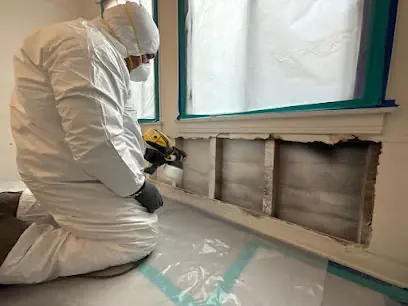 Sewage and Septic Backup CleanupSewer lateral backups handled as Category 3, with soaked materials removed and every surface treated.See sewage and septic backup cleanup
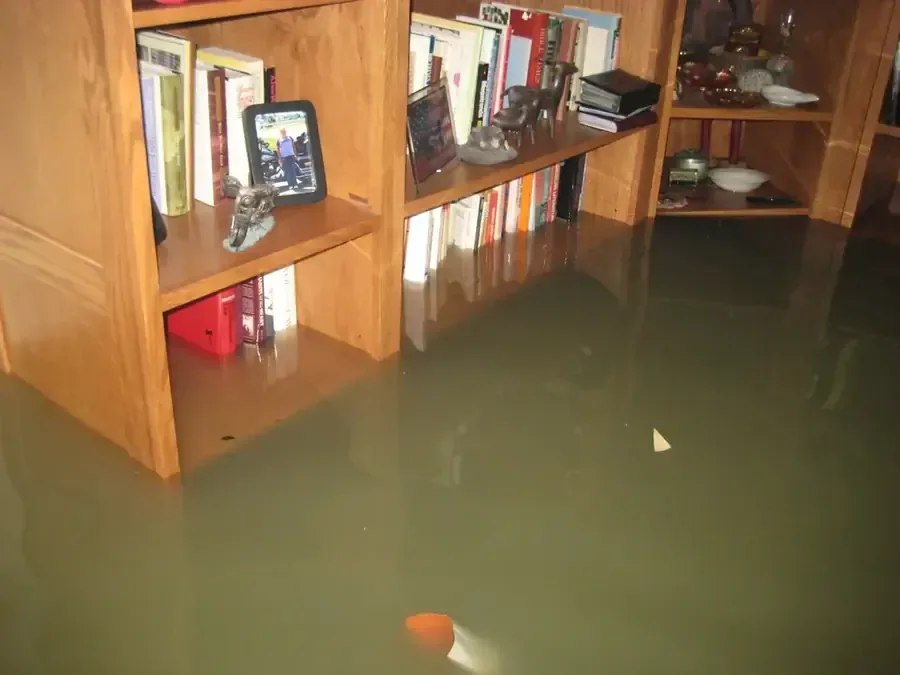 Storm Runoff and Flash Flood CleanupWinter storm water that gets inside, pumped out, cleaned up and treated as contaminated from the start.See storm runoff and flash flood cleanup
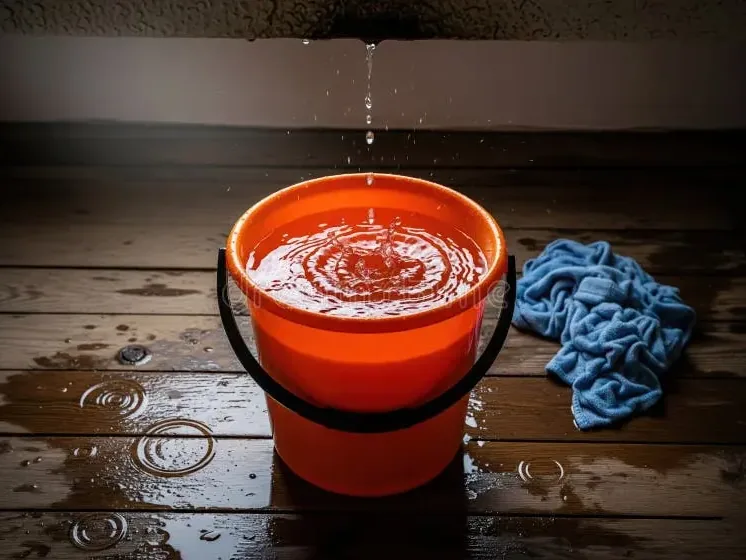 Roof Leak Water DamageStorm leaks traced from the ceiling stain back to the roof, with wet insulation pulled and the decking dried.See roof leak water damage
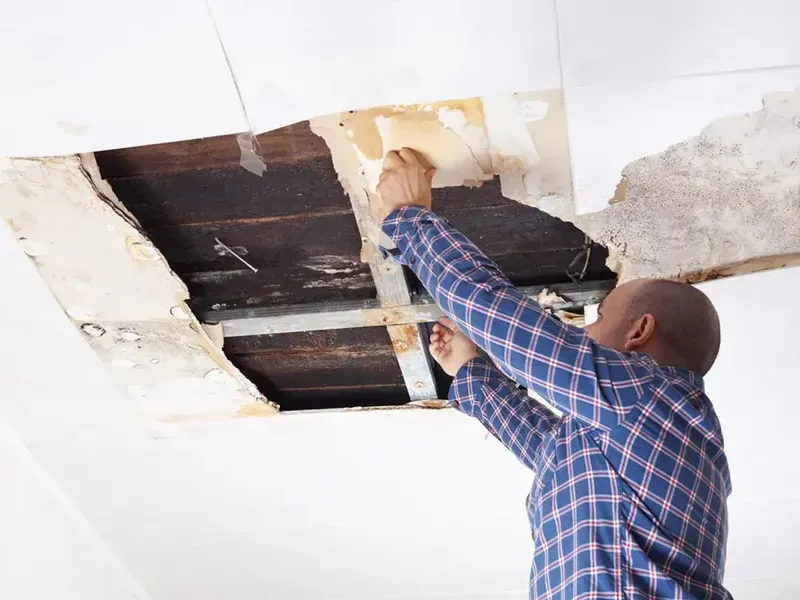 Ceiling Leak Water DamageLeaks from a bathroom or a unit above, opened safely around wiring and dried from above.See ceiling leak water damage
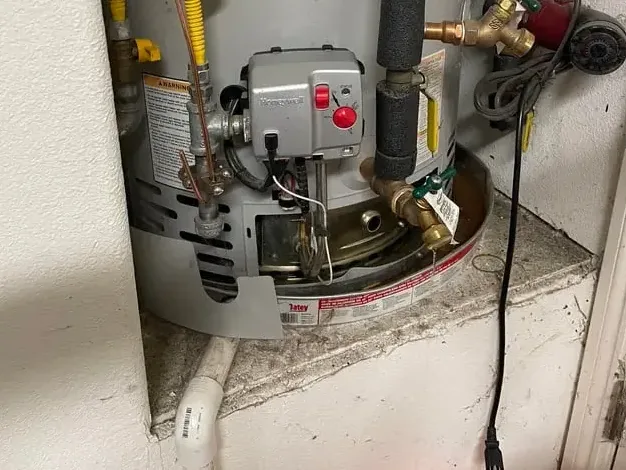 Water Heater Leak CleanupA failed tank emptied onto the floor, extracted and dried before drywall and cabinets soak it up.See water heater leak cleanup
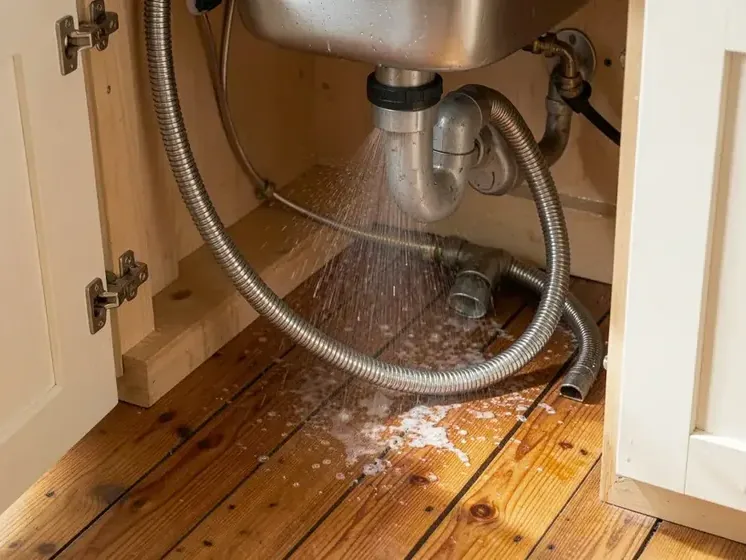 Appliance and Hose Leak CleanupWasher, dishwasher and ice maker hose leaks dried out of floors, cabinet bases and subfloors.See appliance and hose leak cleanup
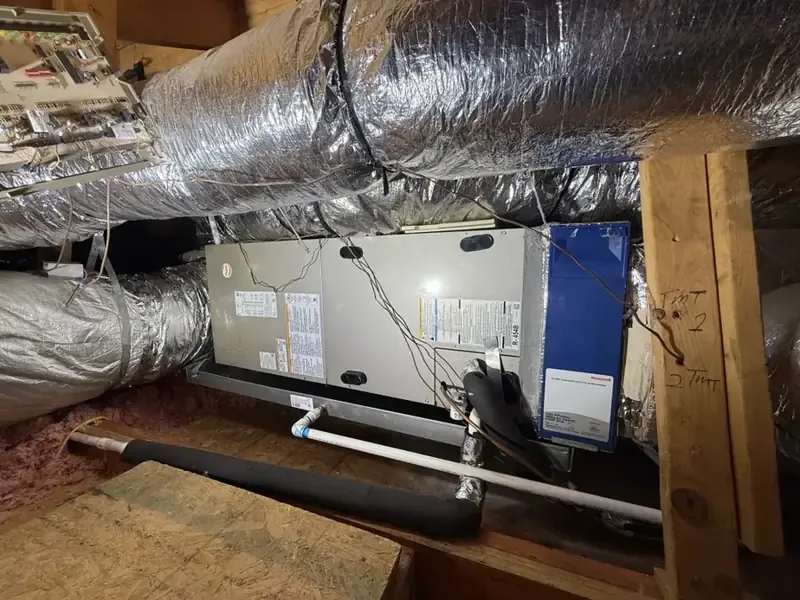 AC Condensate Leak Water DamageOverflowing air handler pans and clogged condensate drains, with ceilings and insulation dried.See ac condensate leak water damage
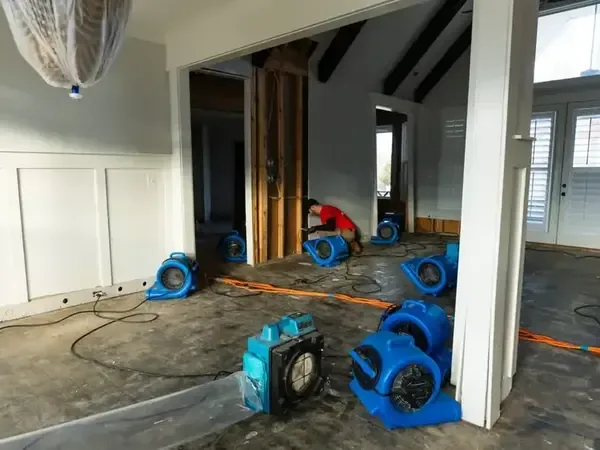
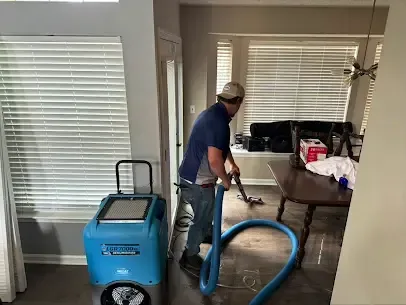
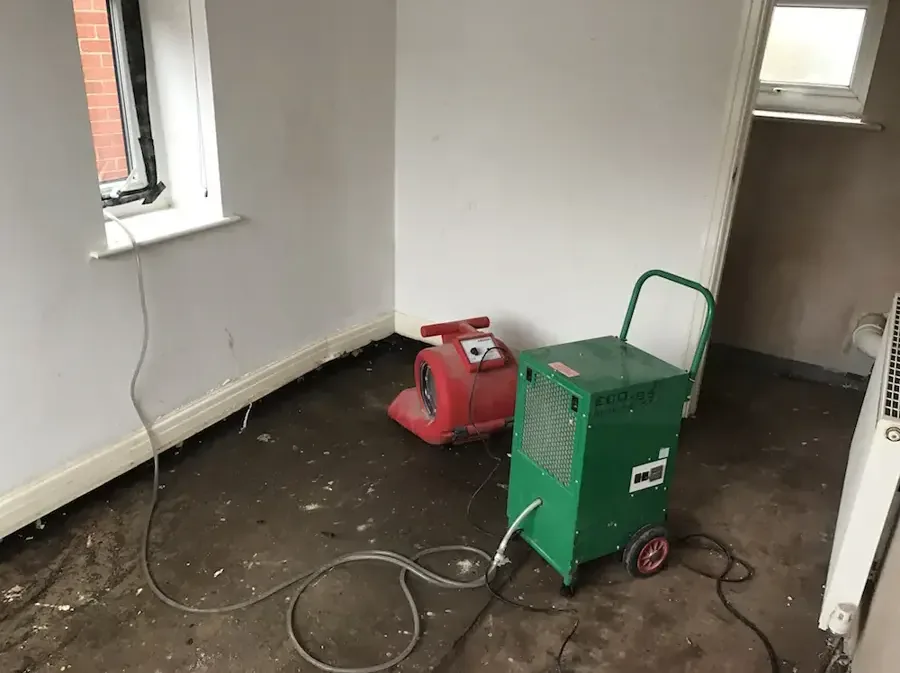 Structural Drying and DehumidificationFraming, floors and wall cavities dried with air movers and LGR units, then checked against a dry reference.See structural drying and dehumidification
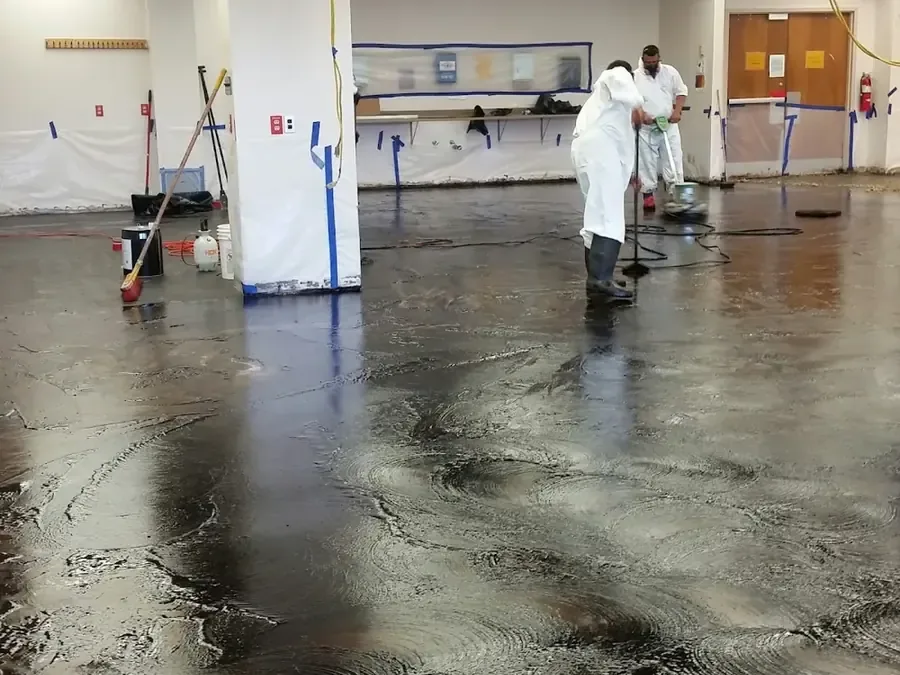 Commercial Water DamageStorefronts, offices, medical suites and retail space dried in zones to keep downtime short.See commercial water damage
How a water loss is handled here, start to finish
Whether the water came from a slab, a ceiling, a sewer lateral or a winter storm, four commitments shape every job from the first call to the last reading.
- 1
Rapid local response
Dispatch runs day and night, weekends and holidays, and active water is treated as urgent at any hour.
- 2
IICRC S500 drying standard
Air movers and LGR dehumidifiers are sized to the class of the loss, and the framing gets dried, not just the surface.
- 3
Claim-ready documentation
A moisture map, daily drying logs and timestamped photos taken before any material comes out.
- 4
Local water know-how
A wet season from November through March, sewer laterals that owners must maintain and an older housing stock shape the plan.
Water damage dried to the IICRC S500 standard
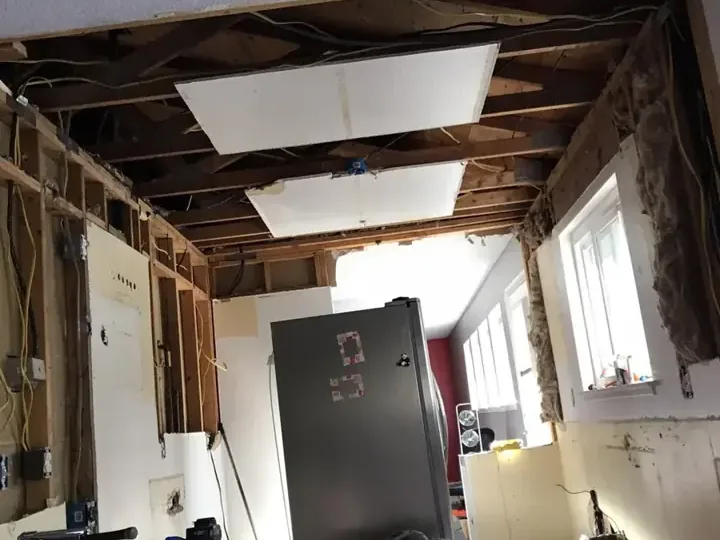
Drying aims at the structure, not just what shows: the drying team works on wall cavities, baseboards, cabinet bases and subfloors until each one matches a dry reading.
- Day one: extraction and the moisture map
Standing water comes out, wet areas are mapped with meters and a thermal camera, and the drying equipment is placed.
- Days two and three: readings and adjustments
Readings are taken and logged on each visit, and air movers shift toward the areas still holding water.
- Days three to five: most small losses finish
A Class 1 or Class 2 loss often reaches the drying goal in this stretch.
- More days for dense materials
Concrete, hardwood and plaster give up water slowly, so desiccant dryers may be added and the job runs longer.
When the job is done
Equipment comes out when the numbers say dry, not when the surface looks dry. Every wet material has to read within 2 to 4 points of a dry reference elsewhere in the home.
All water damage categories covered in Escondido, CA
Category 1, clean water
Supply pipes, slab leaks, water heaters and ice maker hoses, usually dried in place when work starts early.
Slab leak water damageCategory 2, gray water
Washer and dishwasher drains and AC overflow. Wet pad and other porous materials usually come out before drying.
Appliance and hose leaksCategory 3, black water
Sewer lateral backups and outside storm water. Contained, porous materials removed, EPA-registered antimicrobial applied.
Sewage backup cleanupWhat does water damage restoration cost in Escondido, CA?
Water damage restoration typically runs $800 to $12,000 or more, set by the category of water, the wet square footage, the type of material, whether a slab or wall must be opened and how soon drying started.
Small, contained leak
- Clean water in one room
- Extraction with air movers
- About three to five days of drying
Several rooms or a slab leak
- Slab and wall cavity drying
- Pad and baseboards removed
- Readings logged every day
Sewage or storm water
- Category 3 material removal
- Antimicrobial applied
- Longer structural drying
The water damage cost calculator gives a closer planning number. Rebuilding work such as drywall, paint and flooring is priced separately once the structure tests dry.
Documentation for your insurance claim
An adjuster decides a water claim from the documentation. The mitigation team starts that record at the first reading, so it shows what got wet, how it was dried and the day it reached the goal.
A sudden discharge such as a burst supply hose is often treated differently from storm water rising from outside, which usually needs flood coverage. Sewer backup frequently requires its own endorsement.
Coverage always depends on your own policy, so check with your insurer before any work past emergency mitigation begins.
What goes in the claim file
- A moisture map from the first visit
- Daily drying logs and material readings
- Timestamped photos before any demolition
- The category and class of the loss
- An equipment log and an itemized scope
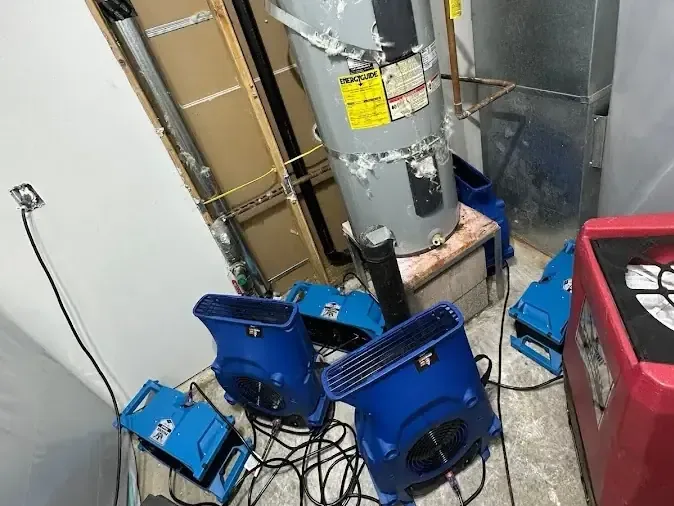
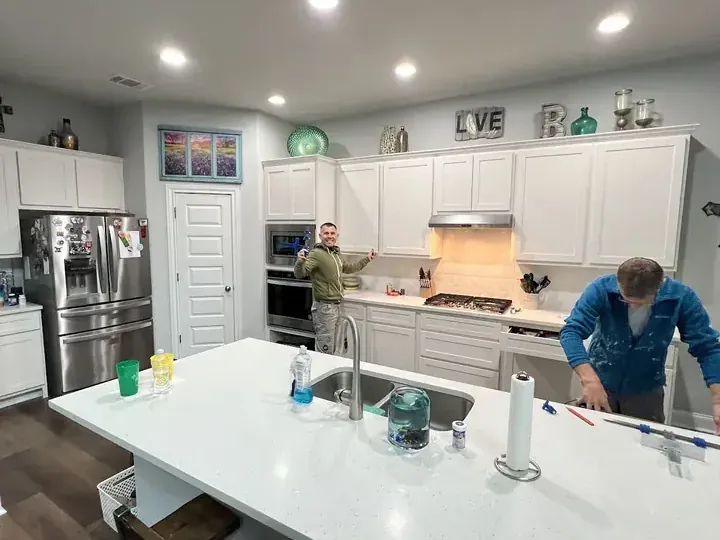
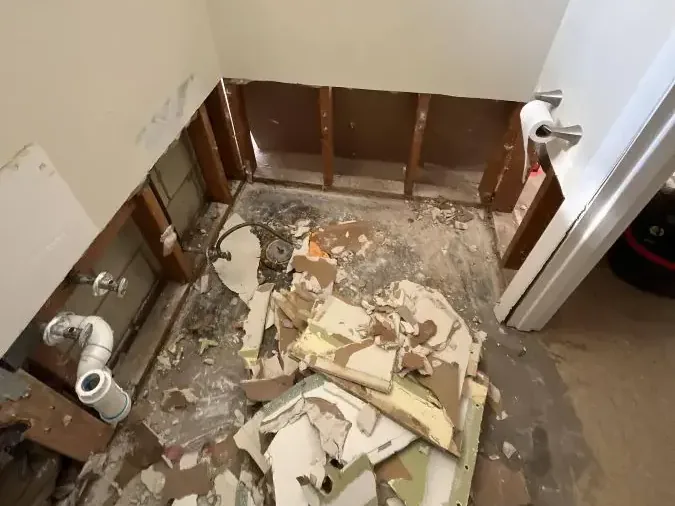
What a water damage dry-out looks like inside a home
Water damage restoration across Escondido and North County
One call reaches local water damage pros, 24/7
Dispatch runs every day of the year, nights and holidays included, and the extraction crew brings equipment matched to the loss.
Escondido, CA · [email protected]
Tell a local pro about the water See every area coveredNeighborhoods
- Downtown
- East Valley
- Felicita
- Kit Carson
- Midway
- Vineyard
- South Boulevard
- Quail Hills
- Mission Park
Roads and landmarks
- Grand Avenue
- North Broadway
- Via Rancho Parkway
- Kit Carson Park
- Grape Day Park
- State Route 78
Nearby
Water damage in Escondido, CA: the local risk profile
Losses here follow an older housing stock, a short wet season and the creek.
- Older homes. About 76 percent of the city's housing was built before 1990, more than half of it in the 1970s and 1980s, so many pipes and roofs carry decades of wear.
- Renters and shared walls. About 36 percent of the housing is multifamily and 48.3 percent of occupied homes are rented, so a leak can start in a unit above.
- Short wet season. More than 80 percent of the yearly rain falls from November through March, and totals swing widely from one year to the next.
- Escondido Creek. The creek runs through downtown in a 1960s concrete flood control channel, and on February 1, 2024 the National Weather Service put the whole county under a flood watch.
- Sewer laterals. Owners must maintain the lateral from the building to the public main under Municipal Code Section 22-165, and the City inspects the main free of charge when a backup occurs.
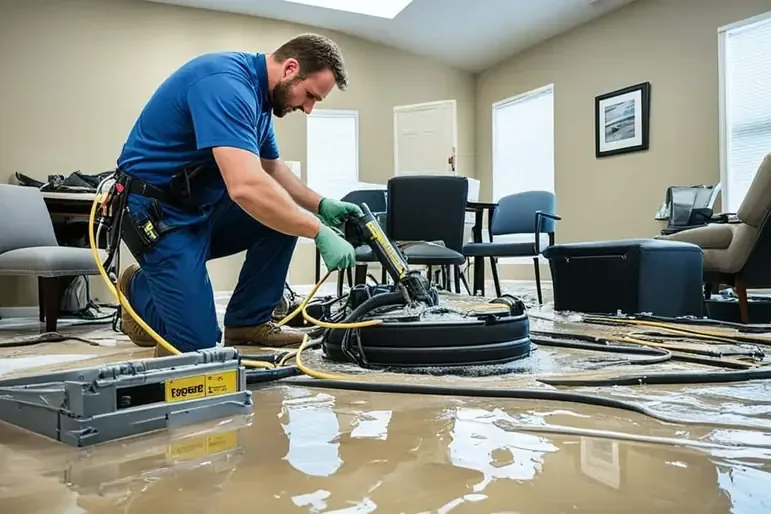
Escondido water damage questions, answered
Who handles a burst water main in the street?
A public main break is a city repair, while a burst pipe inside a building is a private plumbing problem. On January 14, 2025, two separate mains broke in the city, one near Olivia Glen and Vermont Avenue and one on Oak Hill Drive. If water reaches a home from the street, the restoration team handles the damage inside.
Who is responsible for a sewer lateral backup?
Under Municipal Code Section 22-165, the property owner maintains and repairs the sewer lateral from the building to the public main, including the part under the sidewalk and street. When a backup happens, the City inspects the public main free of charge; if the main is clear, the blockage is probably in the lateral.
Can wet wipes cause a sewage backup?
Yes. The City asks residents not to flush wet wipes, even products labeled flushable, and not to pour grease down drains, because both build up into blockages that push sewage back into the house.
Is water damage covered by insurance?
Sudden and accidental discharges, such as a split washer hose or a failed tank, are commonly covered. Water rising from outside usually falls under flood insurance, and sewer backup often needs an endorsement. Coverage depends on your policy, so check with your own insurer.
What should be done first when water is coming in?
Close the shutoff valve, switch off power to wet rooms if the panel is dry, keep out of water near outlets, photograph everything and lift valuables off the floor. Then call for extraction.
How long does drying take?
Most contained Class 1 and Class 2 losses dry in three to five days. Concrete, hardwood and plaster take longer, and the equipment stays until readings reach the goal.
What does the IICRC S500 cover?
The IICRC S500 is the professional standard for water damage restoration. It covers inspection, the category and class of a loss, extraction, drying and the readings that prove a structure is dry.
Does a leak in the unit above mean the ceiling comes down?
Not always. Thermal imaging and meters show which parts of the ceiling are wet, and only drywall that sagged or stayed wet is cut out. In apartments and condos, the owner, the landlord and the association may each have a part in the claim.
When does wet drywall have to be removed?
Drywall wet with clean water and dried quickly can often stay. Drywall touched by sewage or storm water, or that swelled or stayed wet too long, is removed with a straight cut above the wet area.
How is the cost worked out?
Cost follows the category of water, the wet square footage, the material class, whether a slab or wall must be opened and how fast drying began. The cost calculator gives a planning range.
Water in the house right now? Call before it spreads further.
The extraction crew removes the water, the drying team dries to the IICRC S500 goal and the moisture records go to your insurer, any day of the year.
(888) 450-9281Start the Escondido dry-outPoway Water Damage Restoration
San Diego County, California
Open 24 hours, holidays included
Find us on Google