Emergency Water Extraction in Poway, CA
Standing water comes out first. The extraction crew pulls it off tile, carpet and concrete with truck-mounted and portable units, then the drying team sets up to the IICRC S500 standard, 24/7.
(888) 450-9281Get the standing water pulled out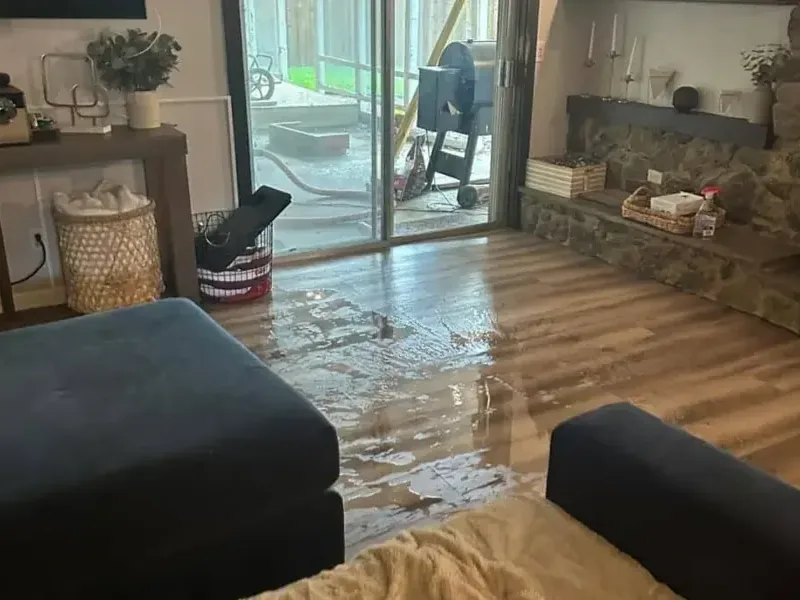
What to do right now about emergency water extraction
- No. 1Stop the source. Close the main valve or the fixture valve so no new water reaches the floor.
- No. 2Make it safe. Switch off breakers for wet rooms if the panel is dry, and keep clear of cords.
- No. 3Save what you can. Move rugs, electronics and boxes to a dry room, and set furniture legs on foil or blocks.
- No. 4Leave the wet carpet down. Pulling soaked carpet by hand can tear it and the tack strip; the crew lifts it the right way.
How emergency water extraction is handled in Poway, CA
- 1
Find the edges
The tech maps where the water stopped with meters, since it usually spreads past what the eye can see.
- 2
Pull the water
The extraction crew runs truck-mounted wands and weighted tools across every wet surface, carpet and pad together.
- 3
Open what holds water
Toe kicks, baseboards and soaked pad come off where readings show trapped water.
- 4
Hand off to drying
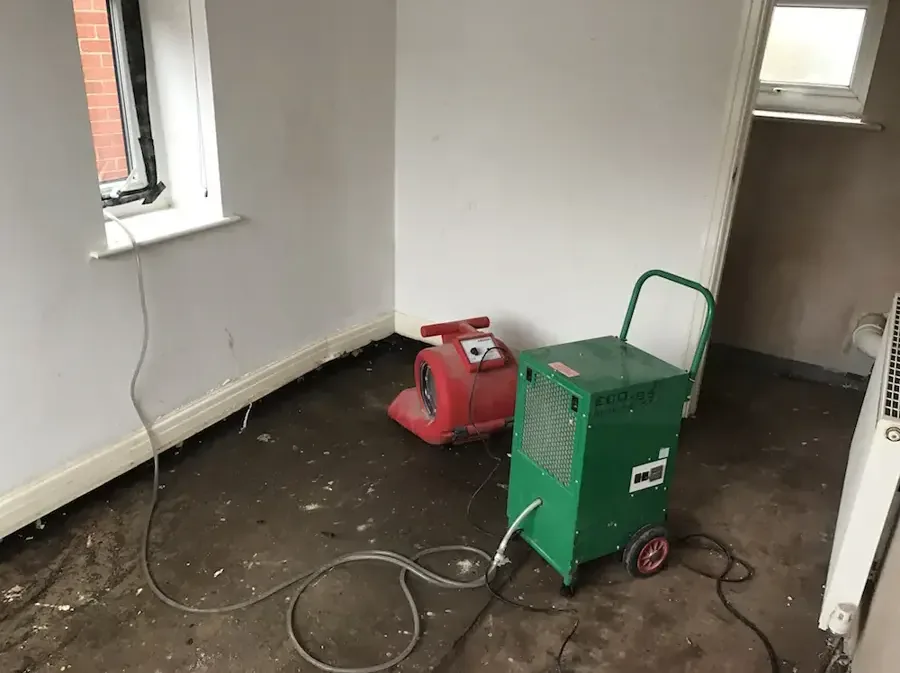
Air movers and LGR dehumidifiers go in, and the daily readings start.
What does emergency water extraction cost in Poway, CA?
Emergency water extraction in Poway typically runs $400 to $7,000 or more, depending on the wet square footage, whether the water is clean, gray or black, the type of flooring and how much drying follows the extraction.
One room or hallway
- Truck-mounted extraction
- Pad pulled if soaked
- Moisture check of nearby walls
Several rooms with drying
- Extraction and pad removal
- Air movers and an LGR unit
- Three to five days of readings
Whole floor or contaminated water
- Category 2 or 3 handling
- Flooring and baseboard removal
- Extended structural drying
Ranges are typical, not a quote. The water category, the square footage, the material class and how fast drying started move the number most; the water damage cost calculator gives a closer planning range.
Extraction is the cheapest drying there is. Every gallon pulled off the floor as liquid is a gallon the dehumidifiers never have to pull out of the air, which is why the extraction crew works the whole wet area before any air mover goes down.
Where the water goes in a slab home
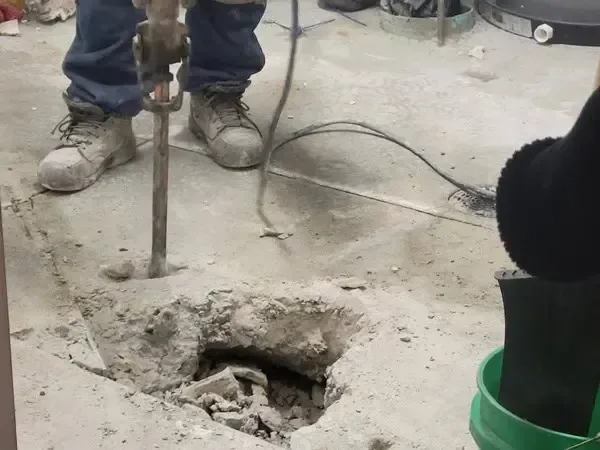
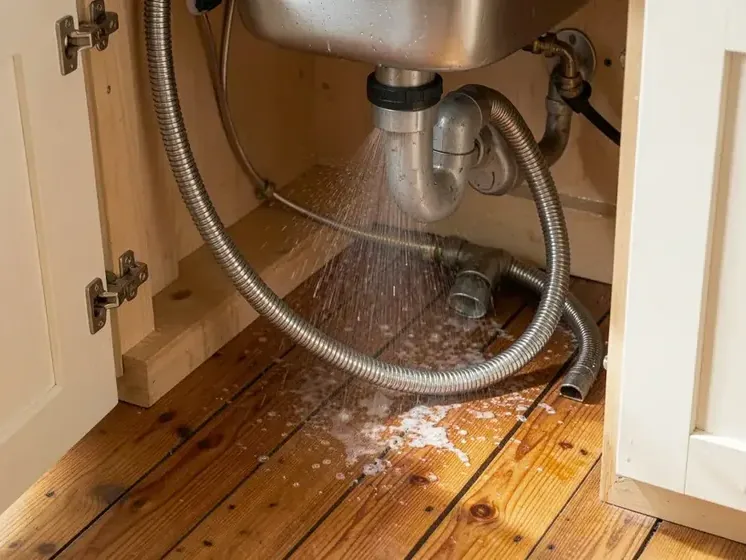
Most homes in the area sit on concrete slabs, so water spreads sideways instead of dropping into a crawl space. It runs under baseboards, into the bottom of the drywall, under kitchen cabinets and along the tack strip of wall-to-wall carpet. Tile and vinyl plank can hide water underneath for days.
- Carpet and pad: weighted extraction tools squeeze water out of both, and soaked pad is usually removed.
- Tile and vinyl plank: water under the planks is pulled with floor-drying mats, or the flooring is lifted.
- Cabinet bases: toe kicks come off so the void underneath can be dried.
Truck-mounted versus portable extraction
A truck-mounted unit has the vacuum power and tank capacity for a whole-floor loss, and the water leaves through the hose instead of in buckets. Portable extractors reach upstairs rooms, condos and suites where hoses cannot run from the street. The crew often uses both on the same job.
What happens after the water is out
Once the floor stops giving up water, the tech who does the walkthrough maps moisture in the walls and the slab and sets the drying plan. Structural drying follows the IICRC S500 standard, and equipment stays until readings reach the goal. Water from a toilet, a sewer or storm runoff follows the sewage and septic cleanup protocol instead.
The Ready.gov flood safety page covers staying safe around standing water, and the EPA indoor air quality pages explain why wet materials need to dry quickly.
Emergency Water Extraction questions
Can a shop vacuum do the extraction?
A shop vacuum removes surface water, but it cannot pull water out of carpet pad, from under tile or from the bottom of the drywall. Truck-mounted extraction removes far more, which shortens drying and keeps more materials salvageable.
Will the carpet have to be thrown out?
Not always. Carpet wet with clean water and extracted quickly can often be dried in place, though soaked pad is usually replaced. Carpet touched by sewage or storm runoff is removed.
How long does extraction take?
Extraction of a single room is usually finished on the first visit, along with the drying setup. A whole-floor loss takes longer, but the air movers and dehumidifiers still go in before the crew leaves.
Why does water spread under tile and vinyl plank?
Water finds the seams and grout joints and runs across the slab beneath the flooring. Floor-drying mats or lifting the planks are the reliable ways to dry what sits underneath.
Is extraction covered by insurance?
When the water came from a sudden and accidental discharge, extraction is usually part of emergency mitigation under a homeowners policy. Coverage depends on your policy, so check with your own insurer.
What if the water came from a toilet or a drain?
Toilet overflows and drain backups are Category 2 or 3 water. The crew wears protective gear, removes porous materials the water touched and treats surfaces before drying.
Emergency water extraction across Poway and nearby
The restoration crew covers ZIP 92064 and 92074, from the older homes around Midland Road to Green Valley, Garden Road, Twin Peaks, Old Coach, High Valley and the homes up in Sycamore Canyon.
Nearby coverage reaches Rancho Bernardo, Rancho Peñasquitos, Sabre Springs, Carmel Mountain Ranch, Scripps Ranch, Ramona and Escondido.
More water damage services
Standing water on the floor? Get it out before it wicks.
Truck-mounted extraction, then structural drying to the IICRC S500 goal, with every reading logged for the claim.
(888) 450-9281Pull the water before it wicksPoway Water Damage Restoration
San Diego County, California
Open 24 hours, holidays included
Find us on Google