Storm Runoff and Flash Flood Cleanup in Escondido, CA
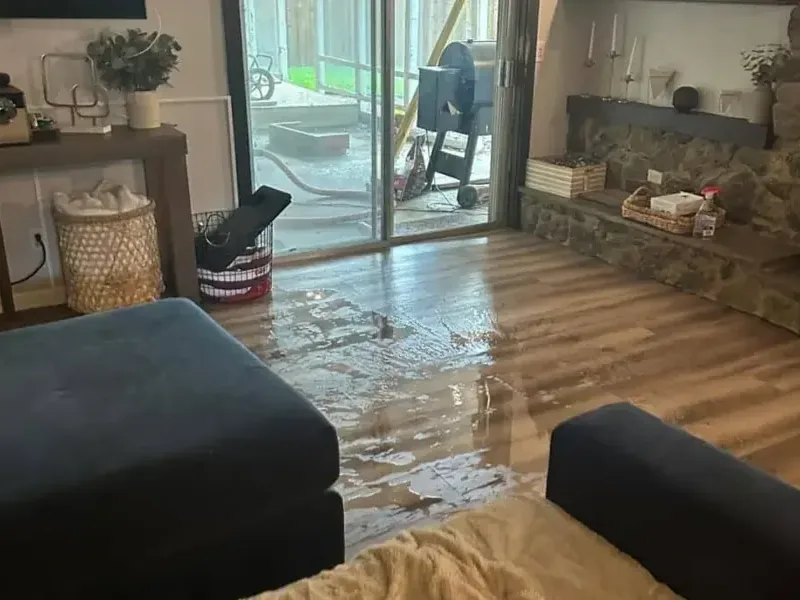
Storm runoff pushes silt and contaminated water into garages, doorways and ground floors. In Escondido, the crew pumps it out, clears the mud, removes what it soaked and dries the structure with readings recorded for the claim.
(888) 450-9281Storm water inside? Call now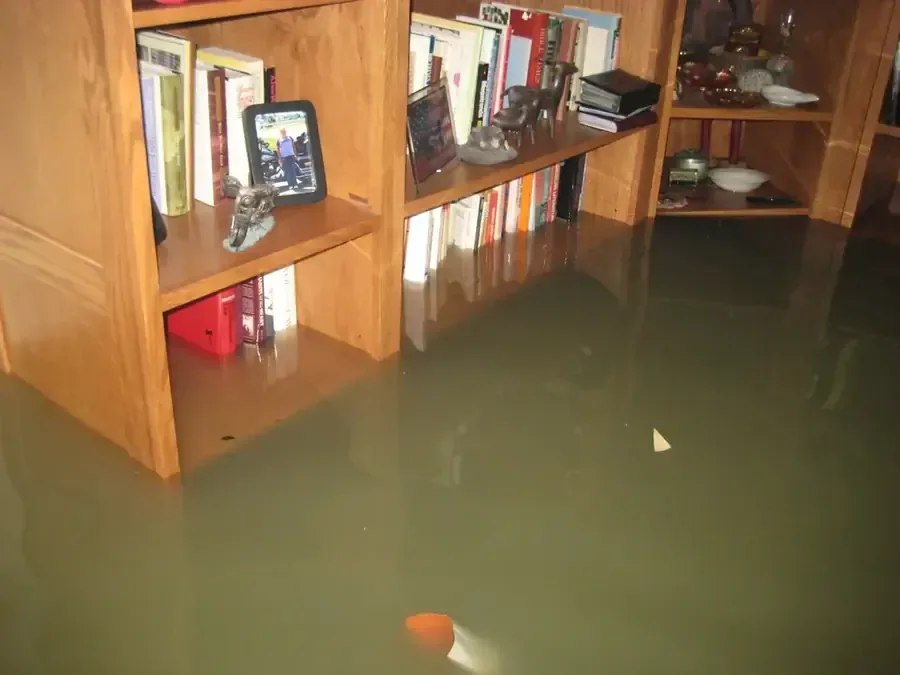
What to do right now about storm runoff and flash flood cleanup
- No. 1Stay safe. Keep clear of moving water and downed wires. Switch off power only if the panel is dry and reachable.
- No. 2Hold back more water. Set towels or sandbags at thresholds if rain is still falling.
- No. 3Photograph the waterline. Take photos of the mark on the walls and the silt on the floors before cleanup begins.
- No. 4Call for pumping. Standing floodwater should be pumped out by a crew with the right equipment, not a household vacuum.
How storm runoff and flash flood cleanup is handled in Escondido, CA
- 1
Pump and clear
Water is pumped out, then silt and debris are shoveled and washed from the floors.
- 2
Remove the soaked
Carpet, pad and wet wall bases come out, with flood cuts made above the water mark.
- 3
Disinfect and dry
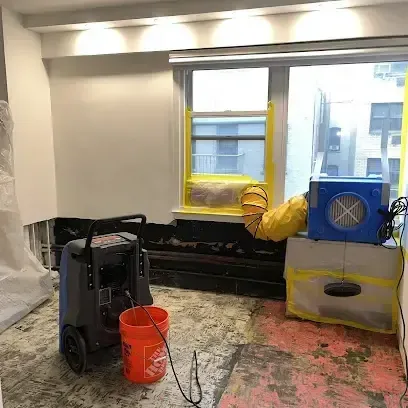
Surfaces are treated, then air movers and dehumidifiers run on the moisture readings.
- 4
Prove it dry
Readings and photos are recorded until the structure tests dry.
What does storm runoff and flash flood cleanup cost in Escondido, CA?
Water at one door or in the garage commonly costs $2,000 to $4,000. Several rooms run $4,000 to $9,000, and a whole floor covered in mud can reach $15,000 or more, since every porous material that touched floodwater has to come out.
Water at a door or garage
- Pumping and extraction
- Silt cleared out
- Antimicrobial applied
Several rooms affected
- Carpet and pad removed
- Flood cuts made
- Structure dried
Muddy whole floor
- Complete Category 3 removal
- Cabinet bases opened
- Extended drying
Ranges are typical, not a quote. The water category, the square footage, the material class and how fast drying started move the number most; the water damage cost calculator gives a closer planning range.
Water that comes in from outside, whether from a flash flood or from runoff, has crossed streets, yards and drains, so it is treated as contaminated even when it looks muddy rather than foul. A crew in Escondido handles storm water as Category 3 from the start.
Why storms and the creek channel matter
Escondido Creek crosses the city through a concrete flood control channel built in the 1960s, and more than 80 percent of the year's rain falls from November through March. On February 1, 2024, the National Weather Service issued a flood watch for all of San Diego County ahead of two back to back winter storms. A watch is a prompt to prepare, not proof that any street flooded.
- Pumps clear standing water at doors, garages and ground floors
- Silt and debris are shoveled out before drying begins
- Soaked carpet, pad and wall bases below the waterline come out
- Disinfectant and air movers follow once the mud is gone
What gets removed and what stays
Floodwater leaves a film of silt on everything it touches. Tile and concrete can usually be washed and dried. Carpet, pad, insulation and the bottom of the drywall are porous and normally have to go. A flood cut removes the bottom of the drywall a few inches above the waterline so the wall cavity can dry. The drying that follows runs on the readings described under structural drying.
Documenting a storm loss
Photos of the waterline, the silt and the damaged belongings help an adjuster. Roof damage from the same storm is a separate matter, and a roof leak is recorded on its own.
Storm Runoff and Flash Flood Cleanup questions
Does homeowners insurance cover storm flooding?
Standard policies often cover storm damage to a roof but exclude flooding from rising water, which needs separate flood coverage. The adjuster decides, so it pays to ask early.
Why is storm water treated as contaminated?
It carries soil, fertilizer, animal waste and anything else it crossed, so it is Category 3 even when it looks fairly clear.
Should the carpet be saved?
After floodwater, carpet and pad are usually removed. Cleaning cannot fully remove what soaks into them.
Can drying start while it is still raining?
Pumping can, but drying equipment works best once water has stopped entering. The crew protects the area first and sets up equipment once the source is under control.
What should I do with soaked belongings?
Photograph them first, then separate what is porous from what is hard. Upholstery, mattresses and cardboard are usually discarded, while wood, metal and glass items can often be cleaned and kept.
Is a flood watch the same as a flood warning?
A watch means conditions could produce flooding, while a warning means flooding is happening or about to. The National Weather Service issues both.
Storm runoff and flash flood cleanup across Escondido and nearby
Storm cleanup covers ZIP 92029, 92027, 92026 and 92025, including Kit Carson, Mission Park, Harmony Grove, Felicita, Vineyard, Downtown, East Valley and the blocks around Kit Carson Park.
The same service nearby: storm runoff and flash flood cleanup in Poway, Encinitas.
Clear the mud before it dries in
Silt and storm water settle into floors and walls quickly. The crew pumps, clears and disinfects, then dries the structure and logs every reading.
(888) 450-9281Call about the floodingPoway Water Damage Restoration
San Diego County, California
Open 24 hours, holidays included
Find us on Google