Structural Drying in Encinitas, CA
Pumping removes the standing water, but walls, floors and framing keep holding moisture. In Encinitas, where winter and spring bring rain and marine layer fog, drying is done with equipment and measured until the building matches a dry reference.
(888) 450-9281Plan a measured dry out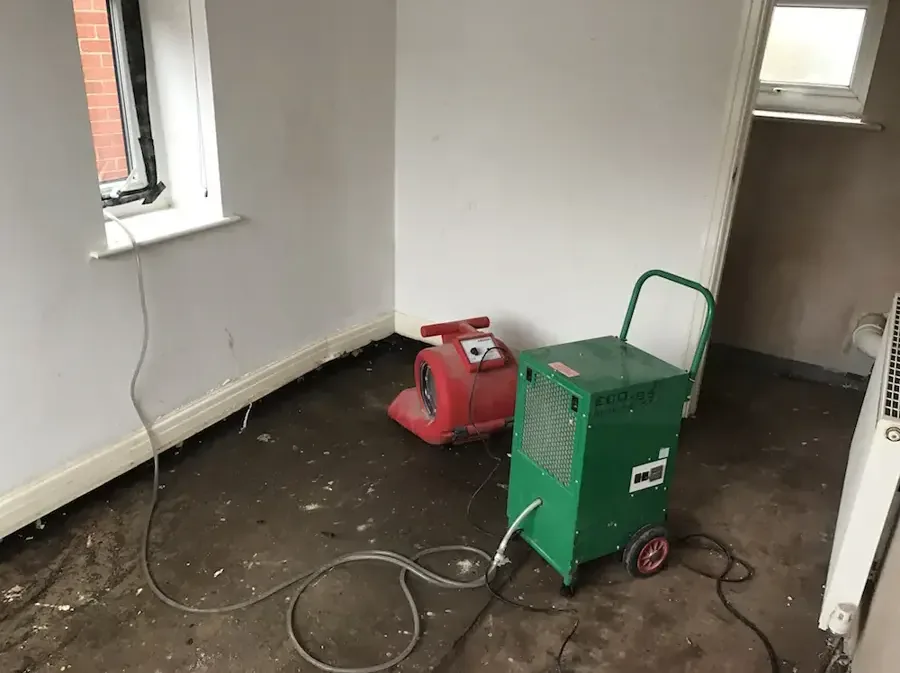
What to do right now about structural drying and dehumidification
- No. 1Keep the room closed. Shut windows and doors to the wet rooms so the dehumidifier can control humidity.
- No. 2Leave equipment running. Air movers and dehumidifiers should stay on, since turning them off lets moisture settle back in.
- No. 3Do not open walls yourself. Cutting drywall early can spread water or dust, so let readings show where openings are needed.
- No. 4Keep the logs. Save every reading sheet and photo for the adjuster.
How structural drying and dehumidification is handled in Encinitas, CA
- 1
Set the equipment
Air movers and dehumidifiers are placed by drying class, with readings logged as the baseline.
- 2
Check every visit
Moisture, temperature and humidity are logged, and equipment is moved as areas dry.
- 3
Open what stays wet
Cavities that lag behind get vents or small openings so air can reach them.
- 4
Match the dry goal
Equipment comes out when readings match the reference taken from unaffected material.
What does structural drying and dehumidification cost in Encinitas, CA?
Drying one or two rooms usually costs $1,200 to $2,500, several rooms run $2,500 to $5,500, and a Class 4 or whole-house job can reach $5,500 to $10,000 or more. Equipment days and room count drive the figure.
A room or two
- Fans and one dehumidifier
- Moisture mapping
- A few days of logs
Several rooms
- Wall cavities dried
- More dehumidifiers
- Daily readings
Class 4 or whole house
- Desiccant dehumidifiers
- Dense material drying
- Longer monitoring period
Ranges are typical, not a quote. The water category, the square footage, the material class and how fast drying started move the number most; the water damage cost calculator gives a closer planning range.
Structural drying is the long middle of a water loss. After extraction, walls, framing, subfloors and cabinets still hold water that cannot be seen, and it keeps damaging them until it is pulled out. Equipment, airflow and readings do that work, and the numbers decide when it ends.
How drying is planned
The affected area is classified by how much water was absorbed and what materials are wet, and equipment is chosen to match. Air movers push air across surfaces, LGR dehumidifiers pull moisture out of the air, and desiccant units handle dense materials. Each placement is recorded so it can be adjusted as readings drop. Heavier materials such as hardwood or concrete take longer than drywall and carpet, so they are tracked on their own.
- Air movers aimed at wet floors and wall bases
- Dehumidifiers sized to the room and the moisture load
- Wall cavities vented or opened where readings stay high
- Temperature and humidity logged at every visit
Rain, fog and drying
Rain and marine layer fog are common in the winter and spring wet season, so outdoor air is often damp. Drying works best in a closed room where the dehumidifier controls the humidity, which is why windows stay shut and equipment runs continuously. Opening windows to air things out lets damp outdoor air back in, so a room can end up wetter than before.
Knowing when it is dry
Readings from affected materials are compared with a dry goal taken from unaffected parts of the building. Equipment is pulled only when the numbers match, and the records go to the homeowner and the adjuster. See water extraction for the stage before drying, and slab leak water damage for concrete floors.
Structural Drying and Dehumidification questions
Why does drying take several days?
Wet drywall, framing and subfloors release moisture slowly, and pushing it too fast can damage materials. Equipment runs until readings match the dry goal, which usually takes several days.
Can fans alone dry a wet room?
Fans move air but do not remove moisture from it. Without a dehumidifier the water just moves from the structure into the air and settles elsewhere.
Does rain and fog outside change how drying works?
Damp outdoor air limits what open windows can do, so closed rooms with dehumidifiers dry more reliably. Winter and spring here bring rain and marine layer fog.
How is a structure proven dry?
Readings from the affected materials are compared with a dry goal from unaffected parts of the building. Equipment is removed once the numbers match, and the logs are handed over.
Does the equipment use a lot of power?
Air movers and dehumidifiers run all day and add to the electric bill, and fans can be noisy. Placement can sometimes be adjusted, and the usage is part of what an adjuster expects.
Does drying prevent later problems?
Drying to a measured goal removes the moisture that feeds odors and swelling. Stopping early because the surface feels dry is when hidden damage tends to follow.
Structural drying and dehumidification across Encinitas and nearby
Drying jobs are handled across ZIP codes 92024 and 92007, including Leucadia, Cardiff-by-the-Sea, Village Park and Olivenhain, from the coastal strip to the semi-rural east side.
The same service nearby: structural drying and dehumidification in Poway, Escondido.
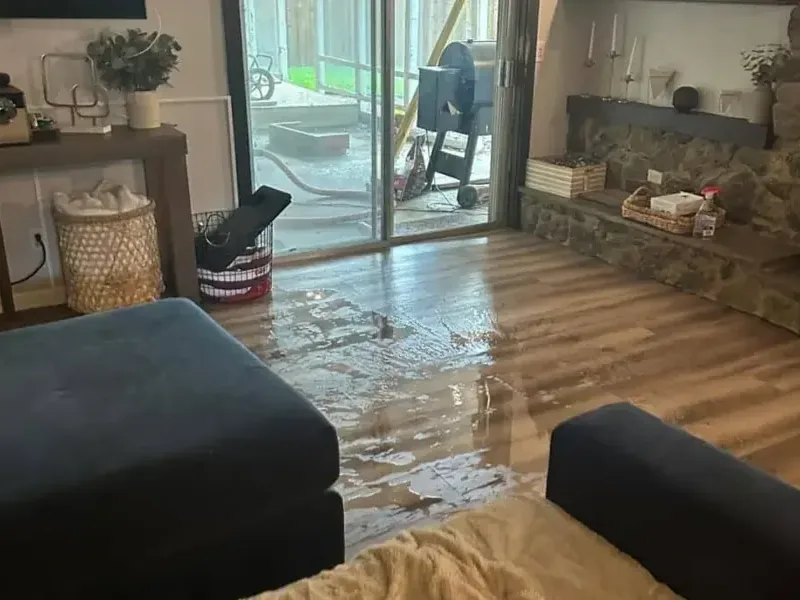
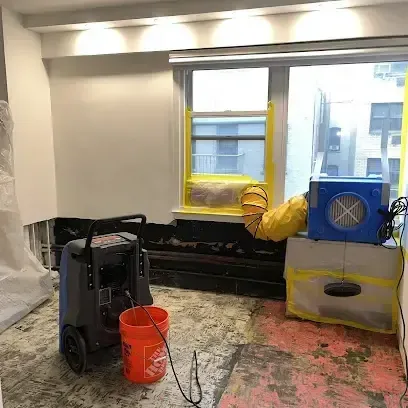
Wet framing stays wet until it is dried on purpose
Tell the crew which rooms were wet and how long the water stood, and the equipment, logging and dry goal for the property will follow.
(888) 450-9281Plan the drying in EncinitasPoway Water Damage Restoration
San Diego County, California
Open 24 hours, holidays included
Find us on Google