Slab Leak Water Damage in Encinitas, CA
A supply pipe leaking in or under a concrete slab shows up as warm spots, a running meter or damp flooring. In Encinitas the work is to trace it, open only what is wet and dry the slab.
(888) 450-9281Check the floor for a hidden leak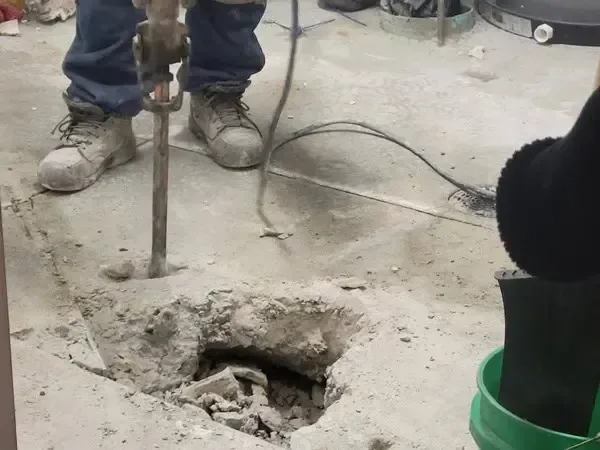
What to do right now about slab leak water damage
- No. 1Watch the meter. Turn every fixture off and see whether the water meter still moves. A moving dial points to a hidden leak.
- No. 2Shut the supply. Close the main valve to slow the leak, then call a plumber to confirm where the pipe failed.
- No. 3Look at the floor. Note warm spots, cupped boards and damp baseboards, and photograph each one.
- No. 4Clear the area. Move rugs and furniture off the affected floor so the crew can reach the slab.
How slab leak water damage is handled in Encinitas, CA
- 1
Trace the water
A thermal camera and meter map warm paths and damp edges before anything is cut open.
- 2
Open the traps
Flooring, toe kicks or baseboards that hold water against the slab are lifted where readings say so.
- 3
Draw the moisture up
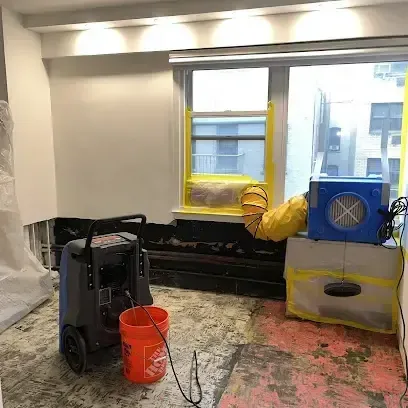
Floor mats, air movers and dehumidifiers pull moisture out of the concrete, with readings taken every visit.
- 4
Confirm a settled slab
The slab and nearby walls are compared to a dry goal before equipment is removed and floors are replaced.
What does slab leak water damage cost in Encinitas, CA?
Slab leak water damage commonly costs $1,500 to $3,000 when one room is caught early, and $3,000 to $6,000 once several rooms or tile are involved. Long-running leaks reach $6,000 to $9,000 or more, and the plumbing repair is billed separately.
Caught early, one room
- Floor moisture mapping
- Wet baseboard removal
- Mat drying of the slab
Several rooms or tile
- Trapped flooring lifted
- Mats and dehumidifiers
- Slab readings each day
A leak that ran for a long time
- Cabinet bases opened
- Wall cuts above the floor
- Desiccant slab drying
Ranges are typical, not a quote. The water category, the square footage, the material class and how fast drying started move the number most; the water damage cost calculator gives a closer planning range.
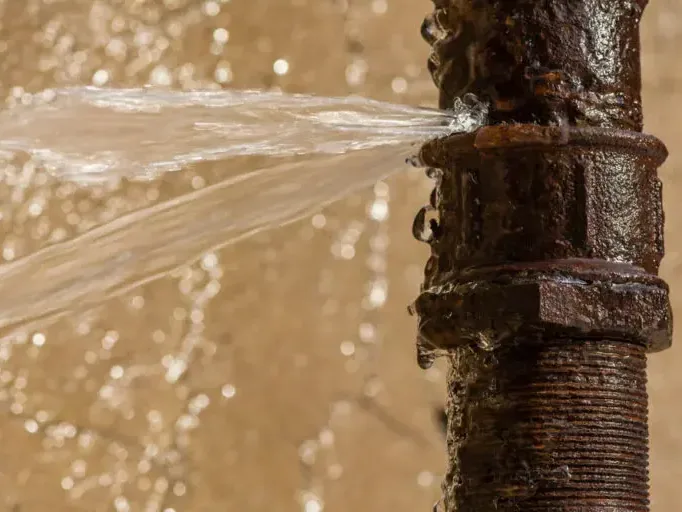
A slab leak is a supply pipe leaking in or beneath a concrete floor. Water follows the path of least resistance, so the first sign is often a warm spot, a damp edge on flooring or a water meter that keeps turning with everything off. Nothing about it is visible until it is traced.
Signs worth checking
Rising water bills, the sound of running water in a quiet house and flooring that lifts at the edges all point to a leak below the surface. Early on the damage may sit in one room, but warm water under a floor can travel along the slab and surface somewhere else. A plumber confirms and repairs the pipe, and the restoration crew handles the wet materials around it.
- Warm spots on a floor that feels cooler elsewhere
- Baseboards that swell or flooring that cups
- A meter that moves with every fixture off
- A damp smell near a wall base that never fades
Drying a slab is slower than drying a wall
Concrete holds water far longer than drywall, so drying uses floor mats that pull moisture upward, dehumidifiers and daily readings. Flooring that traps water, such as tile over a damp slab or glued wood, may need to be lifted so air can reach the surface. For walls and ceilings, see burst pipe cleanup.
What the records should show
Slab leaks can run for a long time before anyone notices, so the written record matters. Readings taken at the start, photos of every opened area and daily logs show an adjuster what the leak affected, and photos of removed flooring and opened sections give a plain picture of the work. Policies differ on hidden leaks, so keep structural drying records and the plumber's repair invoice together.
Slab Leak Water Damage questions
How do I know I have a slab leak?
Common signs are a water meter that moves with every fixture off, warm spots on the floor, the sound of running water and unexplained bills. A plumber can confirm the leak with testing equipment.
Does damage need drying after the pipe is fixed?
Yes. Repairing the pipe stops new water, but the concrete, flooring and wall bases stay wet for days. Drying with mats and dehumidifiers is a separate job from the plumbing repair.
Will tile or wood flooring have to come up?
Sometimes. Flooring that traps water against the slab, such as glued wood or tile over a damp surface, is lifted where readings show it is needed. Floating floors often come up in sections.
Is a slab leak covered by insurance?
Policies treat hidden and long-running leaks differently, and many cover resulting damage but not the pipe repair itself. Written readings and photos help the adjuster see when the damage began and how far it spread.
How long does a slab take to dry?
Concrete releases moisture slowly, so drying often runs several days to a week or more, depending on how wet it got. Daily readings decide when the equipment can come out.
What happens if the leak is not found quickly?
A slow leak can keep wetting flooring, cabinet bases and wall bottoms, and the damage spreads sideways under finishes. Early tracing keeps the opened area smaller and the repair bill lower.
Slab leak water damage across Encinitas and nearby
Slab leak calls cover ZIP codes 92024 and 92007, including Leucadia, Cardiff-by-the-Sea, Village Park and Olivenhain, plus the beach streets near Moonlight Beach and the blocks along Coast Highway 101.
The same service nearby: slab leak water damage in Poway, Escondido.
A slow leak under the floor keeps costing more
Describe the warm spots, the meter test and the rooms involved, and a crew will plan the tracing, opening and slab drying for the property before any flooring is cut.
(888) 450-9281Describe the floor problemPoway Water Damage Restoration
San Diego County, California
Open 24 hours, holidays included
Find us on Google