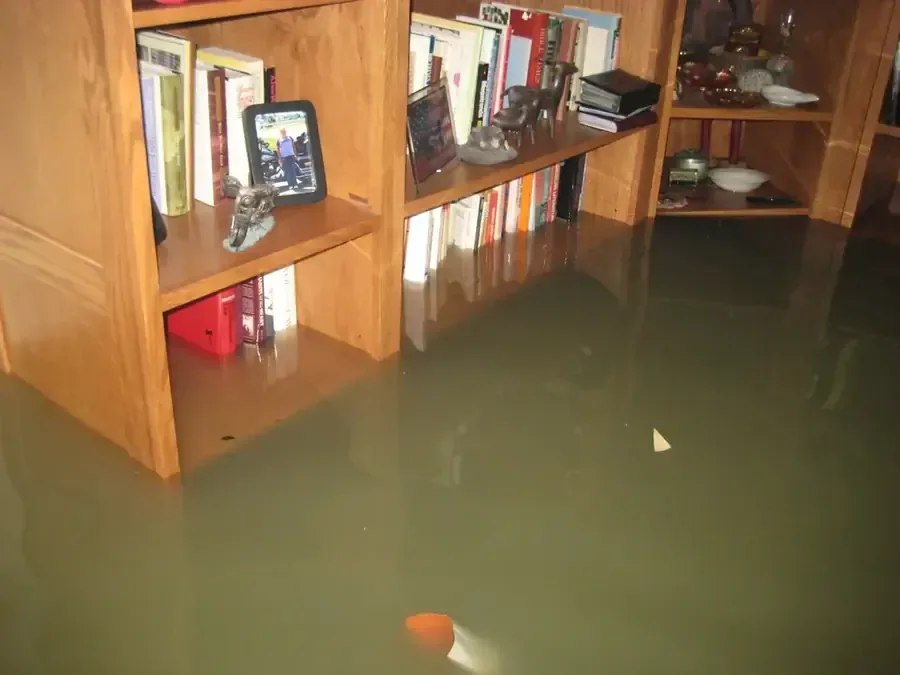
Leucadia has flooded more than once in recent winters. A storm on New Year's Eve in 2022 flooded the area of Europa Street and North Coast Highway 101, and flash flooding hit homes and shops in January and February of 2024.
Key takeaways
- On January 22, 2024, flash flooding hit dozens of homes and businesses in Leucadia, and City pumps could not keep up with the rising water.
- On February 1, 2024, a flash flood warning was in effect and numerous Leucadia streets closed.
- Storm water is treated as contaminated from the start, so porous materials are usually removed instead of dried in place.
- Safety, photos and moving belongings come first, then extraction, then structural drying with logged readings.
- Shop owners add a few steps: protect inventory and records, tell the landlord, and plan drying around reopening.
What flash flooding looked like in Leucadia
The Leucadia area near Europa Street and North Coast Highway 101 is a flood-prone spot. It flooded in a New Year's Eve storm in 2022 and again in January 2024.
On Monday, January 22, 2024, flash flooding hit dozens of homes and businesses. City crews staged multiple pumps, but the water rose faster than the pumps could work.
On Thursday, February 1, 2024, a flash flood warning was in effect, numerous Leucadia streets closed and water pooled across the neighborhood.
Why storm water counts as contaminated
Flash flood water crosses streets, parking lots and yards before it reaches a door. It carries soil, oil, debris and whatever the storm drains hold, so it is not clean rainwater.
The crew therefore treats it as Category 2 or 3 water. Porous materials that soaked it up, such as padding, insulation and lower drywall, are usually removed.
The first day for a homeowner
Safety and photos come before cleanup. Water at floor level can reach outlets, cords and appliances.
- Stay off wet floors near outlets, cords and appliances.
- Photograph the water mark on walls, doors and furniture before anything moves.
- Lift belongings, electronics and papers onto dry surfaces.
- Keep children and pets out of the wet area.
- Skip the household vacuum, which is not made for contaminated water.
What to lift and what to leave
Small, valuable and hard to replace items go up first: documents, photographs, electronics and medications. Heavy furniture can stay where it is if lifting it risks an injury.
What not to do
Wading through deep water near an electrical panel is dangerous, and so is running a fan across a flooded room. Both can wait for a professional with the right equipment.
The first day for a shop or restaurant owner
A flooded storefront has more at stake than one household does: stock, equipment, records and the day's customers.
Commercial water damage work is planned around reopening, so the drying layout and the schedule are discussed early.
- Photograph the floor, shelves and stock before moving anything.
- Tell the landlord or property manager in writing.
- Move inventory, paper records and electronics above the floor.
- Switch off power to wet areas only if it is safe to reach the panel.
- Decide which rooms must dry first so the business can reopen sooner.
How extraction and drying work
Extraction
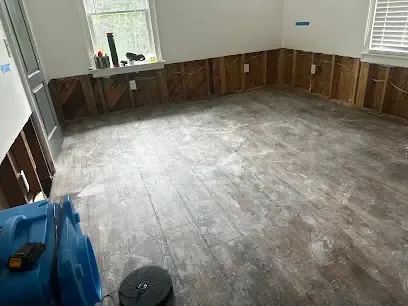
Pumps and extraction units remove standing water first. Water extraction also pulls moisture from carpet, tile and wall bases.
Cleaning and drying
Silt is removed and surfaces are treated with an antimicrobial. Air movers and dehumidifiers then run while moisture readings are logged, so the end of drying is based on numbers.
Why fog matters
Encinitas is coastal, and rain and marine layer fog are common in the winter and spring wet season. Damp air slows drying, so dehumidifiers and closed doors do much of the work.
What storm water leaves behind
After the water is gone, the mess it carried remains. Silt, grit and residue settle into places that are hard to reach.
These leftovers matter even when the floor looks clean. A moisture meter and a thorough second cleaning find what the first pass missed.
- Silt: fine sediment in carpet, grout lines and cabinet bases.
- Odor: stagnant water leaves a smell in padding and drywall that does not wash out.
- Staining: tannins and dirt mark walls and baseboards at the water mark.
- Debris: leaves and trash block floor drains and sump areas.
- Metal and fixtures: moisture can rust door tracks, hinges and stored tools.
When a room is ready again
A room is ready when readings say it is dry, not when it looks dry. Drywall and framing can hold moisture long after the surface feels normal.
Reinstalling flooring or closing a wall too early traps that moisture and brings problems back.
- Moisture readings in the wall base, floor and framing match the dry reference.
- The musty smell is gone from padding, cabinets and corners.
- Silt and residue are cleaned from tracks, grout and cabinet bases.
- Damaged drywall, flooring and trim are replaced after drying, not before.
What the drainage work does and does not do
The City's Leucadia Streetscape Project includes new storm drains along North Coast Highway 101. Construction began in 2024, and a January 2025 City update said a 60-inch storm drain was underway between Jupiter Street and Moorgate Road.
The mayor said the stormwater system the City inherited from the county was inadequate, and that it will not handle a 100-year storm. The work is meant to reduce flooding, not to end it, so a plan for the next storm still matters.
Questions to ask the restoration crew
A flood affects every part of a building, so a few direct questions help owners follow the work.
- Which materials are coming out, and which can be dried in place?
- How many air movers and dehumidifiers will run, and where?
- How and when are moisture readings recorded?
- What is the plan for the area near the doors, where the water came in?
- For a shop, which rooms can reopen first?
An estimate of flood risk
First Street's flood model, which is an estimate and not a record, rates flood risk in Encinitas as minor, with 661 properties at risk over the next 30 years.
That number does not describe any single street. The dated events in Leucadia show that storm and flash flood cleanup is a local question and not a theoretical one.
Questions
When did Leucadia flood recently?
A storm on New Year's Eve in 2022 flooded the area near Europa Street and North Coast Highway 101, and flash flooding hit on January 22 and February 1, 2024.
Is flash flood water clean?
No. It crosses streets and yards on the way in, so it is treated as contaminated and porous materials are usually removed.
Can a homeowner start cleaning before help arrives?
Safety and photos first. Moving belongings to dry surfaces is fine, but avoid wet floors near electrical items and skip the household vacuum.
Does the drainage project stop flooding?
The work is meant to reduce flooding. The mayor said the system will not handle a 100-year storm.
What should a shop owner do first?
Photograph the damage, tell the landlord, lift stock and records off the floor and plan drying around reopening.
Why does drying take longer in damp weather?
Humid air holds less additional moisture, so evaporation slows. Dehumidifiers and closed doors keep the room drying.